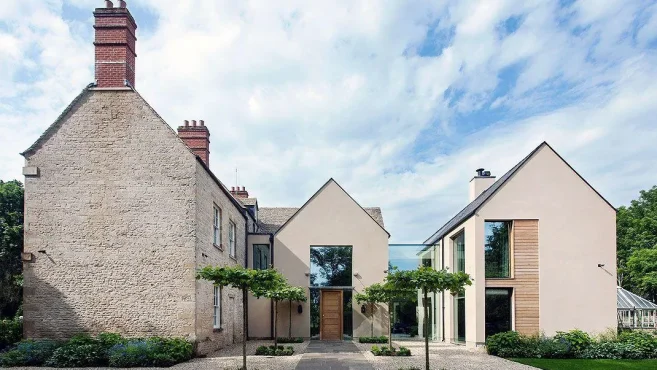
Modern English Country: Architecture and Interior Design
18 August 2026Introduction Modern English Country reinterprets the qualities of the English rural home for contemporary life. Natural materials, comfort and a close relationship with the garden remain central, while layouts become more adaptable and details more restrained. The result is a home with warmth and character, shaped around everyday use rather than a literal reconstruction of…
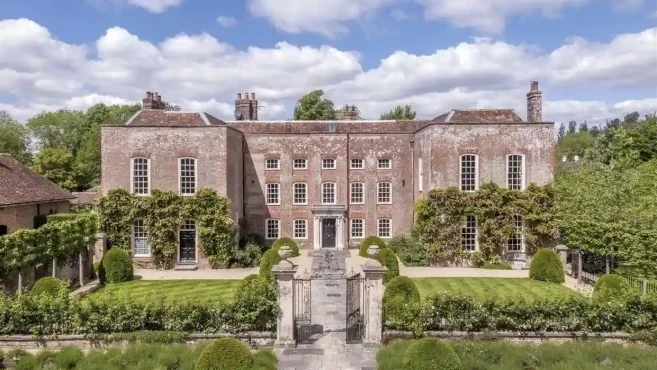
English Architecture: History, Homes and Contemporary Approaches
English architecture: three perspectives on one evolving tradition English architecture is not a single style that can be identified by a pitched roof or a brick facade. It is a broad field shaped over centuries by social change, construction practices, local traditions and exchanges with other parts of Europe. Religious, civic and domestic buildings all…
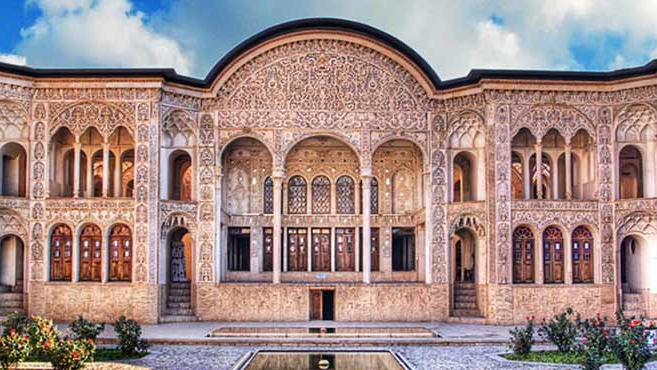
Traditional Iranian House Design: Space, Climate and Privacy
9 January 2023There is no single traditional Iranian house Traditional Iranian house design includes varied patterns shaped by climate, region, historical period and social life. A courtyard photograph or collection of decorative motifs cannot represent every Iranian home. Each example should be understood through its location, materials and use. Some historic houses have been restored or adapted,…
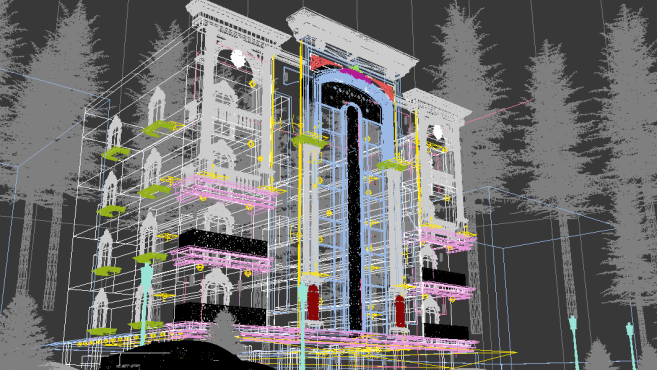
Facade Composition: Dividing Surfaces and Materials
12 December 2022Dividing a facade is a design method for organising its surfaces, openings and material zones. It is different from listing facade styles. This article in the Farid + Arjmand architecture blog focuses on making an elevation legible and buildable. Start from the building’s real geometry Structural axes, floor heights, windows, doors, balconies and service outlets…
Travertine Facades: Properties and Selection
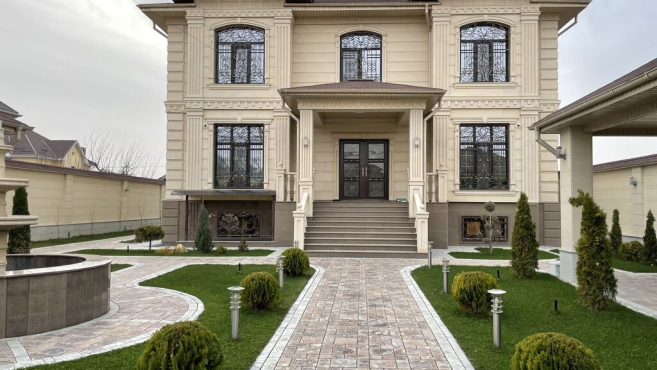
21 November 2022Travertine is a carbonate sedimentary stone valued for its texture and colour variation. The existing travertine reference illustrates product variety. Choosing it for a facade requires more than selecting an attractive small sample. Understand the actual stone Porosity, bedding, filled cavities and cutting direction influence appearance and performance. Density and water absorption vary between products;…
Why Facade Design Matters
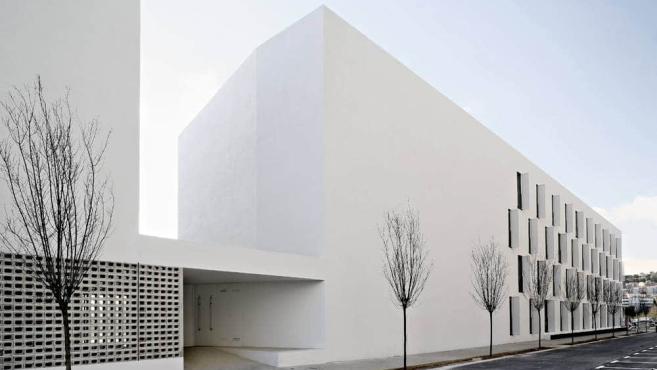
3 October 2022A facade is the building’s first visual contact with its surroundings, but its value extends beyond appearance. facade design coordinates openings, proportions, weather protection and construction with the spaces behind the exterior. Identity and the urban setting A building contributes to the shared view of a street. Rhythm, scale and material choices should be considered…

Car Showroom Design: Display, Circulation and Lighting
12 September 2022A car showroom is both a display environment and a place for discussion and decision-making. Cars need enough space to be viewed properly, while customers and staff need clear routes and comfortable consultation areas. A successful plan connects these needs rather than filling the room with as many vehicles as possible. Vehicle access and display…
Polycarbonate Facades: Daylight, Detailing and Performance
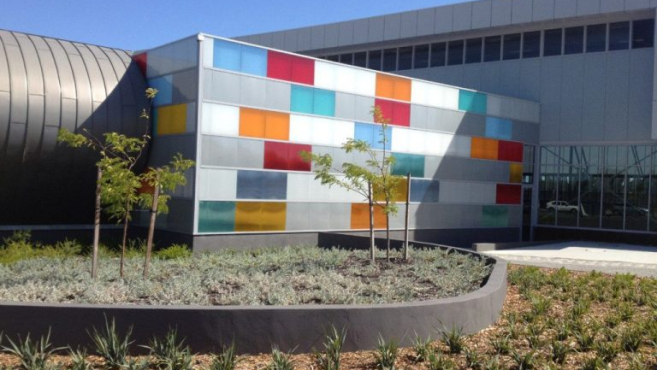
22 August 2022Polycarbonate can form a lightweight translucent building envelope. Its value is often the way it admits diffuse light while giving the wall a continuous appearance. It is available in different sheet and panel constructions, and should not be described as a universally fireproof or earthquake-resistant facade. In facade design, selection depends on the complete system…
Terracotta Facades: Materials, Systems and Design Details
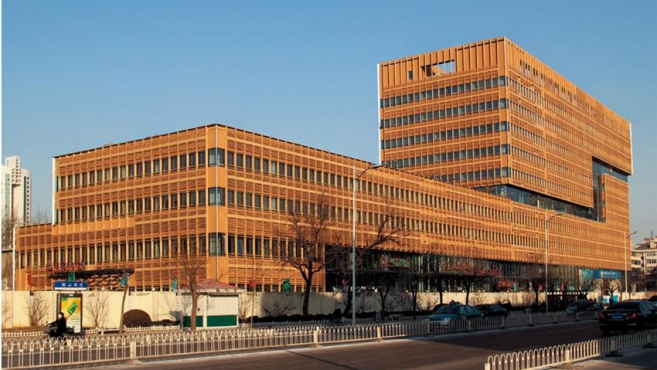
15 August 2022Terracotta is a fired-clay material used in architectural cladding in different shapes, colours and finishes. A terracotta facade is not one standard product: panels, tiles and shaped elements have different fixing and installation requirements. In facade design, the material should be selected together with the wall build-up and its construction details. Surface, colour and format…

Visual Communication in Architecture and Art
1 August 2022Visual communication in architecture is the way form, proportion, colour, material and spatial relationships guide perception. A building communicates through the arrangement of its elements before any explanatory text is read. In facade design, openings, solid surfaces and repetition can establish hierarchy and identity without requiring every element to attract equal attention. Symmetry, balance and…