
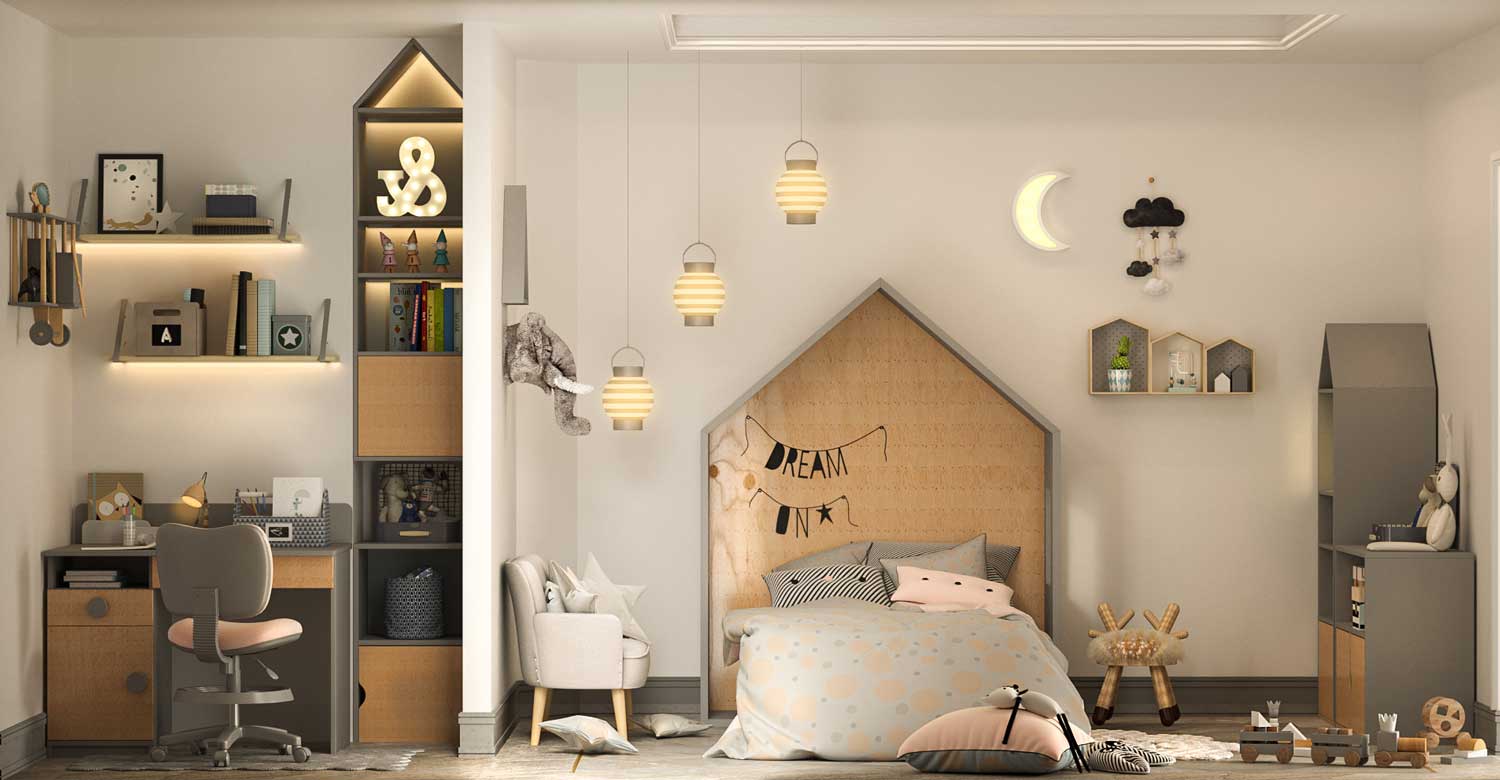
Bedroom Design: A Comfortable Personal Space
A bedroom supports rest, privacy and everyday routines. Its design begins with the person using it, rather than a bed chosen from a photograph. Favourite colours, meaningful possessions and practical habits give the room its identity; furniture placement, lighting and storage make it work. The aim is a balanced space suited to you, without assuming that one colour or style creates the same response for everyone.
Our room decoration in a South African suite project offers one example of how materials and composition work together. Use references to clarify your preferences, then check them against the dimensions and needs of your own room.

Choosing Wall Colours
Develop a colour palette alongside the available light, furnishings and your preferences. Some people enjoy soft blue, lilac or green; others prefer warmer or richer tones. Colour responses vary. A palette should not be presented as a treatment for anxiety or a guarantee of calm.

A quieter version of a favourite colour can work across a large surface, with a stronger shade reserved for a smaller feature or fabric. Dark colours are not automatically unsuitable: their effect depends on the size of the surface, light and neighbouring materials. Review physical samples in daylight and under the room’s actual lamps, since screen colours are not a reliable specification.
Treating the Ceiling as Part of the Room
The ceiling is visible when you lie down and can be treated as a fifth wall. A lighter tone or restrained contrast may create continuity, while wallpaper or a simple detail can add character where the room’s height permits. A ceiling does not need elaborate decoration to feel complete.


Ceiling colour and detailing affect the perceived proportions of the room. Coordinate lighting and ventilation openings before choosing decorative or suspended elements, so maintenance access and useful illumination remain straightforward.

A Clear Layout and Comfortable Circulation
Whatever the approach to interior design, access to the bed, wardrobe and door should remain clear. Draw the room with doors, windows and fixed equipment before selecting furniture. Use the overall bed-frame dimensions rather than the mattress size alone; a headboard and projecting frame can occupy significantly more space.
The original article mentioned approximate clearances such as 90 cm for movement and 60 cm beside certain furniture. Treat these as planning examples, not rules for every room. Check drawer and door operation, the user’s movement needs and any assistance requirements. Consider the route to the door at night as well as the daytime layout.
Do not position the bed solely against the largest empty wall. Direct morning light, outdoor noise and air-conditioning drafts also deserve attention. In a small room, reducing a table’s size or changing the wardrobe door arrangement may preserve circulation more effectively than forcing in oversized furniture.
Furniture Scale and Useful Storage
Choose furniture in proportion to the room and bed. Very large pieces can crowd even a generous room; undersized pieces may leave the composition unbalanced. Identify the essentials first: sleeping, clothing storage and a useful bedside surface. Add a dressing table or reading chair only where it can be used comfortably.
Estimate hanging clothes, folded clothes, bedding and personal items before dividing a wardrobe. More shelves are not necessarily more useful if they are too deep or out of reach. Bedside drawers and accessible shelves can keep books and everyday objects organised, with enough room for cleaning.

Under-bed storage is an option when access and cleaning remain easy and the bed design allows it. Avoid turning every gap into an unplanned store. Check that wardrobe doors and dressing-table drawers do not collide with the bed when opened.
A Personal Reading Corner
[wpvr id=”13993″]
A comfortable chair, small table and reading light can create a personal retreat. A window-side position can be attractive, but is not always best: review glare, heat, privacy and window operation. If the room is compact, do not add a reading corner at the expense of its basic circulation.
Fabrics and Window Coverings
Linen or cotton can add tactile comfort, and a soft throw may suit a reading chair. Select fabrics for feel, durability and cleaning as well as appearance. Follow the care label; not all sheets require dry cleaning, and delicate fabrics may be impractical for daily use.
Coordinate curtains with the room’s palette. A light daytime layer combined with a light-control layer can provide flexibility where needed. Keep window handles and opening paths accessible. The degree of blackout should respond to orientation, sleeping habits and privacy rather than decoration alone.

Lighting for Different Activities
General illumination, a directed reading light and a gentle circulation light serve different purposes. A bedside lamp should illuminate the book without uncomfortable glare, with its switch easy to reach. Separate controls in a shared room allow each person to use their side independently. Decorative lighting should complement the light needed for everyday tasks.
Materials, Maintenance and Personal Details
Assess flooring and furniture for durability, cleaning and comfortable contact. Check edges, furniture stability and outlet positions before installation. A family photograph, artwork or flowers can add identity without crowding the room. An additional object is not automatically clutter, but too many competing focal points can weaken the composition.
In smaller bedrooms, solve sleeping, storage and movement first. Shallow or multifunctional furniture can help when it remains comfortable, stable and easy to use. Repeating a limited selection of colours and materials creates continuity while leaving room for possessions that express the owner’s personality.