
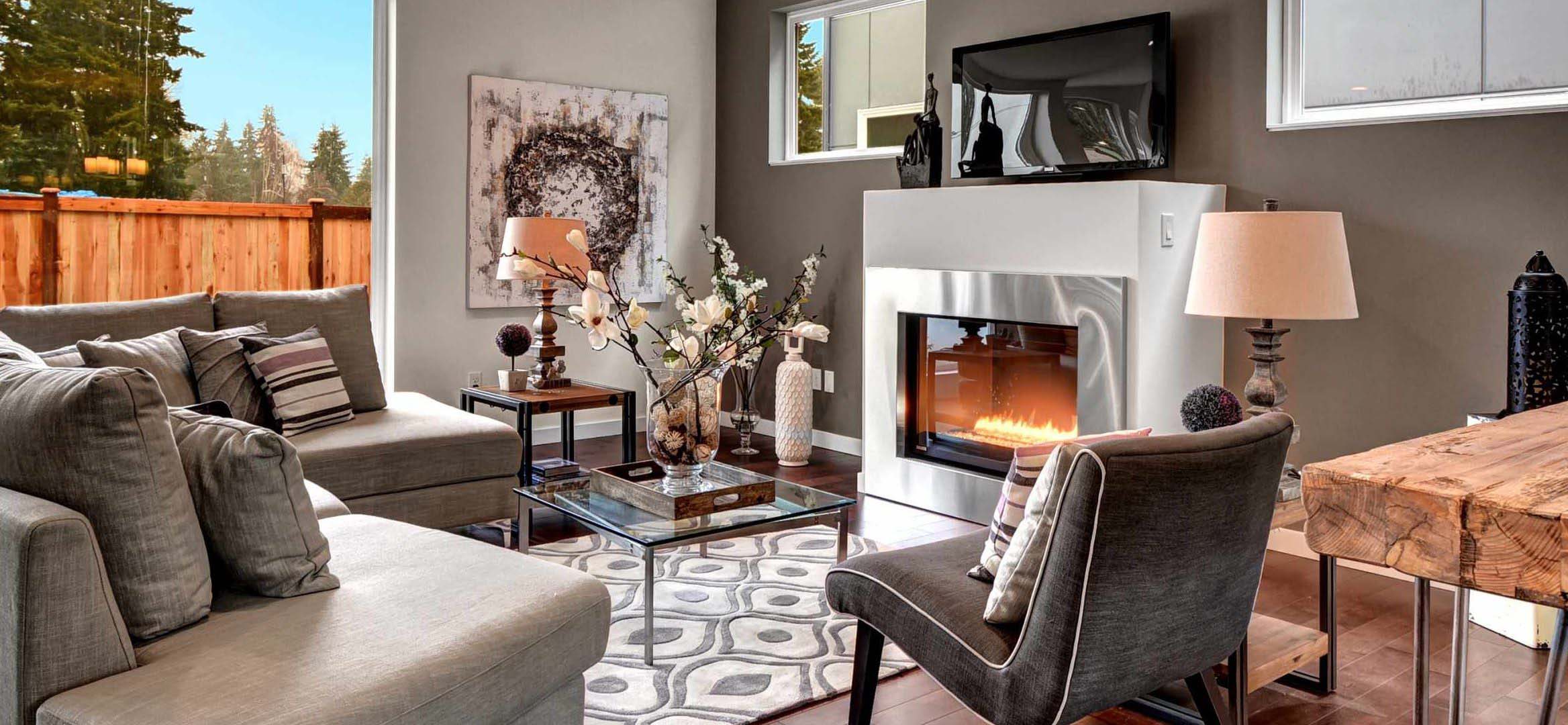
Decoration starts with how a space is used
Interior decoration brings furniture, lighting, colour, textiles and finishes into a coherent setting. The most convincing result supports everyday life as well as a chosen visual character. Before selecting a style, identify who uses the room, what happens there and which existing problems need to be addressed.
Decoration, interior design and interior architecture overlap in practice. Decoration generally concentrates on furnishings and finishes, while broader interior work can also include spatial planning and coordination with building services. Structural or technical changes require the relevant professional input.


Choose a consistent stylistic direction
Style provides a useful framework for selecting proportions, materials and details. It should reflect the client’s preferences without becoming a checklist of objects. A contemporary room, a classical setting and a mixed interior can all be coherent when the relationships between elements are deliberate.
Combining styles does not mean giving every corner a different identity. Repeat selected colours, forms or materials to connect the room. In a small space, a limited palette and disciplined arrangement can keep the composition readable.

Establish a focal point
A fireplace, artwork, a distinctive wall or a view can provide a focal point. Arrange furniture and lighting to acknowledge that feature while keeping circulation practical. It does not need to be the most expensive item in the room.
Avoid allowing several equally prominent elements to compete. A focal point is a way of organising attention, not a reason to make the rest of the space empty or inconvenient.


Layer the lighting
Plan general lighting for movement, task lighting for activities and accent lighting where it supports the composition. Consider daylight first, then how the room will work after dark. Positioning and glare control matter as much as the number of fittings.
Test finishes under the actual light sources. Reflective surfaces can change the effect of lighting, while dimming and separately controlled circuits allow different uses without overlighting the room.

Select furniture by scale and function
Draw the furniture layout to scale before purchasing. Check door swings, access to storage and routes between seats. A large sofa that looks comfortable in a showroom may occupy too much of the available space at home.
Choose upholstery and finishes for the intended use and cleaning requirements. Coordinate colours with the overall palette, but leave room for a small number of contrasting pieces that give the setting character.


Use colour deliberately
A palette can combine neutral backgrounds with stronger accents. Differences in tone, texture and finish often create more depth than adding many unrelated colours. Consider the relationship between adjoining rooms as well as the appearance of each room on its own.
Colour affects the perception of a space, but its effect depends on light, scale and surrounding materials. Test samples on site rather than relying only on a screen or a small shop swatch.

Treat trends as adaptable details
Design publications such as Interior Design can provide inspiration, but frequently changing trends should not determine every permanent decision. Use more changeable items such as cushions, accessories or artwork for experiments.
Keep costly fixed elements coherent and appropriate to the building. This makes it easier to update the atmosphere without replacing the entire interior.

Choose flooring and plan the work
Flooring should suit moisture exposure, cleaning, traffic and installation conditions. A kitchen, living room and wet area may need different assemblies even when their colours are coordinated. No single material is the best choice for every room.
Start with a measured plan and a realistic budget. Prioritise repairs and essential lighting or service work, then develop furniture and smaller details. Review samples and the proposed layout together before committing to the final selections.