
Classical Architecture: Greek and Roman Principles
3 April 2020What classical architecture means Classical architecture has its roots in the building traditions of ancient Greece and Rome. It developed across different periods, regions and building types, so it cannot be confined to one century or reduced to a white stone facade. Its later influence includes many reinterpretations rather than one unchanged style. The fifth…
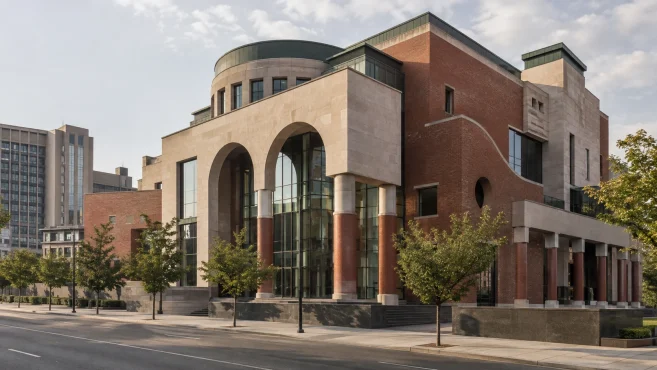
Postmodern Architecture and Related Movements: Key Distinctions
1 March 2020One period, several different approaches Architecture after the dominance of modernism did not follow one common direction. Postmodernism, deconstructivism and environmentally oriented technological design overlap in time and in certain critical questions, but they are not interchangeable terms. This article examines their relationship rather than repeating a general history of postmodern architecture. Postmodern and post-modern…

What Is Postmodern Architecture? History, Features and Meaning
10 February 2020A response to a single architectural language Postmodern architecture describes diverse approaches that questioned the universal solutions and restrained formal language associated with parts of twentieth-century modernism. It gained prominence in the second half of the century, particularly during the 1970s and 1980s. It is not a label for every building constructed after modern architecture….
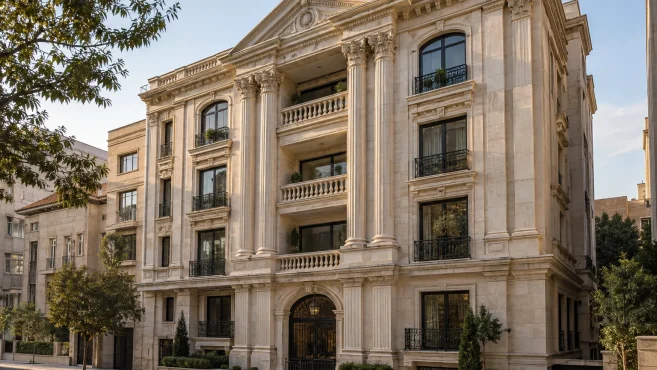
Roman-Style Facades: Features, Materials and Proportions
20 August 2019What is a Roman-style facade? In contemporary Iranian building terminology, a Roman-style facade usually means an exterior inspired by classical architectural elements: columns, cornices, pediments, arches and a balanced composition. It is not a literal reconstruction of an ancient Roman building, nor does the label describe one historically uniform style. A successful example begins with…