
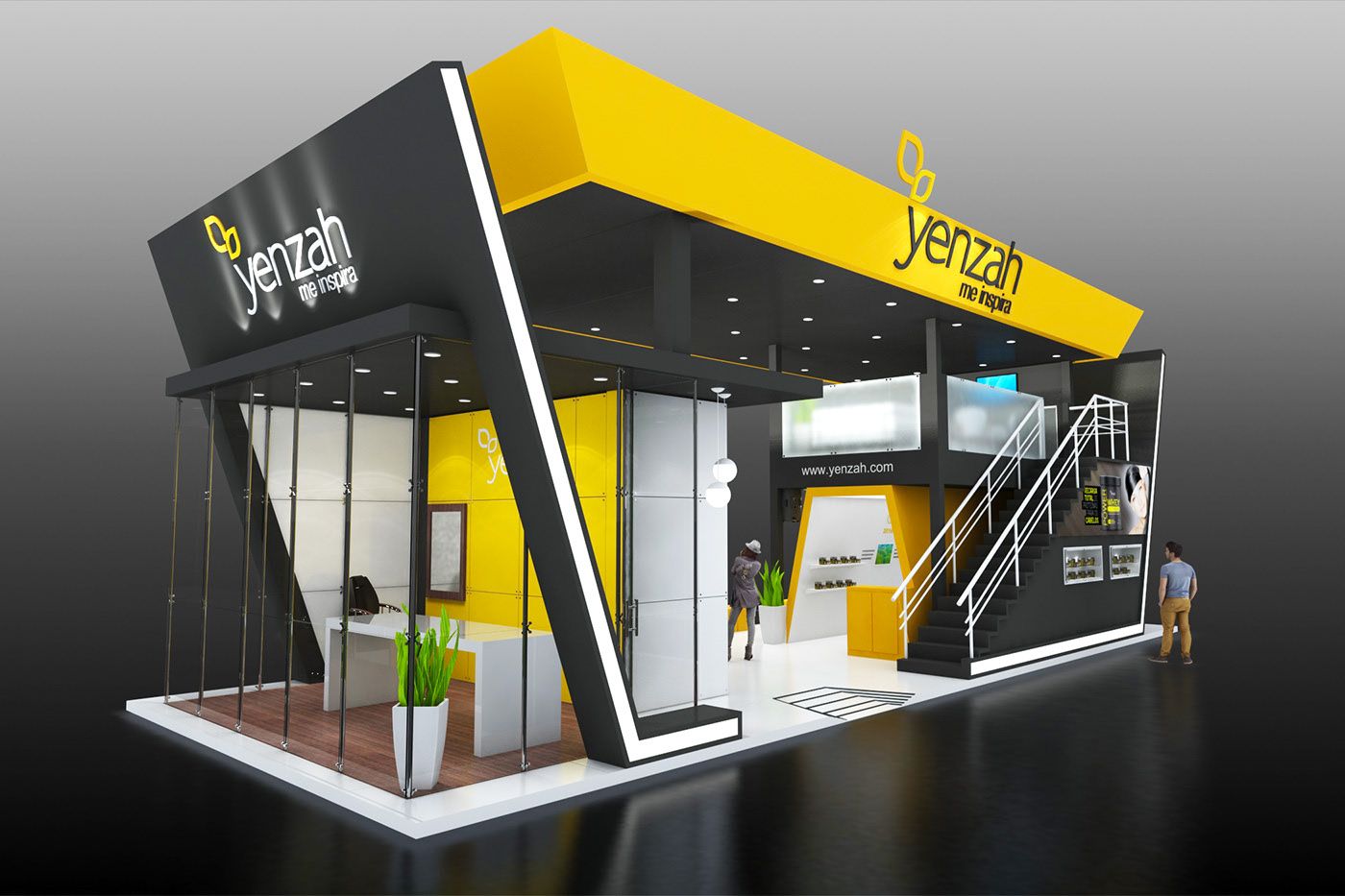
An exhibition stand is a temporary architectural space with a limited time to communicate. Visitors need to recognise the brand, understand the display and find a useful reason to stop. A strong stand is not simply an unusual object: it relates its appearance to conversation, demonstration and everyday operation throughout the event.
Begin with the exhibition brief
Establish the stand’s location, open sides, permitted height, available services and venue rules. Define whether the aim is product demonstration, meetings, retail or awareness. The stand type and display capacity should follow these needs rather than a standard arrangement copied from another event.

A clear visitor route
Keep the approach understandable and avoid placing large objects across the entrance. Plan a route that connects the main exhibit, discussion areas and exit without unnecessary obstacles. Staff also need storage and a workable position from which to welcome visitors. A crowded display can obscure the product even when the stand itself attracts attention.

Brand identity through space and light
In interior design, colour, proportion, surfaces and lighting can carry a consistent message without covering every surface in graphics. Use light to make the product legible and control distracting reflections. Text and signage need to be read from the likely viewing distance; more information is not always more effective communication.
Detail for assembly and reuse
Coordinate structure, electrical routes, connections, delivery and assembly with the venue’s requirements. execution services should address the sequence of installation and removal as well as the final appearance. Modular parts and replaceable finishes can help reuse, provided they suit the specific brief and logistics.
Evaluate the stand as a working environment
Before construction, review storage, cleaning, staff comfort and access for maintenance. The original exhibition design reference offers another source of visual ideas. See Farid + Arjmand projects for architectural work; the focus of this article remains the stand’s spatial organisation and practical delivery.