
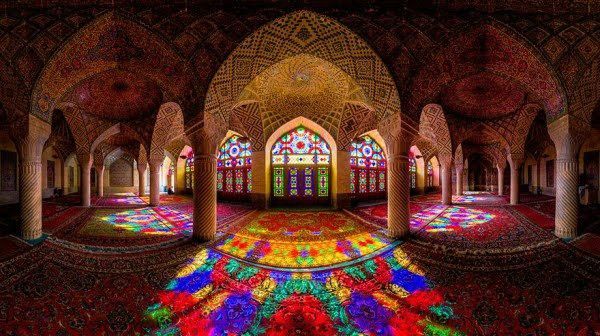
Architecture contributes to tourism as an attraction and an expression of place, while also providing accommodation, movement routes and everyday services. Historic and contemporary buildings can both form part of a visit. A striking new building does not guarantee more visitors or a financial return: access, management, services and local context also matter.
Visitor motivations and tourism types
People travel for rest, nature, adventure and culture, and these motivations often overlap. Architectural visits sit within cultural tourism but can include contemporary work. Tourism’s economic contribution varies by year and method; a single percentage should not be presented as permanent global spending.
Buildings as attractions and urban infrastructure
These architectural projects illustrate different building approaches. New work can add to a destination, while careful conservation protects existing value. Visitors also need clear routes, resting places and understandable information. An unusual shape is insufficient if arrival and use are confusing.

Accommodation and services
These hotel project references show the variety of architectural responses. Accommodation should connect guest needs, staff operations and local identity. interior design supports everyday use, while facade design relates the building to its surroundings. Tourism architecture is not limited to luxury projects or a single visual style.
Competitions and economic expectations
A competition can gather alternative proposals, but funding, construction and operation still require assessment. Prize and building costs are not automatically recovered many times over. Evaluate demand, operating costs and maintainability before describing a project as a successful tourism investment.
Architectural tourism in Iran
Iran offers diverse heritage, contemporary architecture and regional climates. Assess existing hotels and recreation facilities individually rather than declaring that distinctive examples do not exist. Seasonal activities depend on weather and available services; no activity is guaranteed in every season.

Managing visits with local communities
Tourism can support work and conservation when impacts are managed, but crowding and resource use can place pressure on neighbourhoods. Review visitor capacity, access rights and residents’ privacy. The UNESCO guide to local participation highlights the contribution of communities and businesses. This article addresses architecture’s relationship with destinations; full conservation methods and hotel design remain separate subjects.