
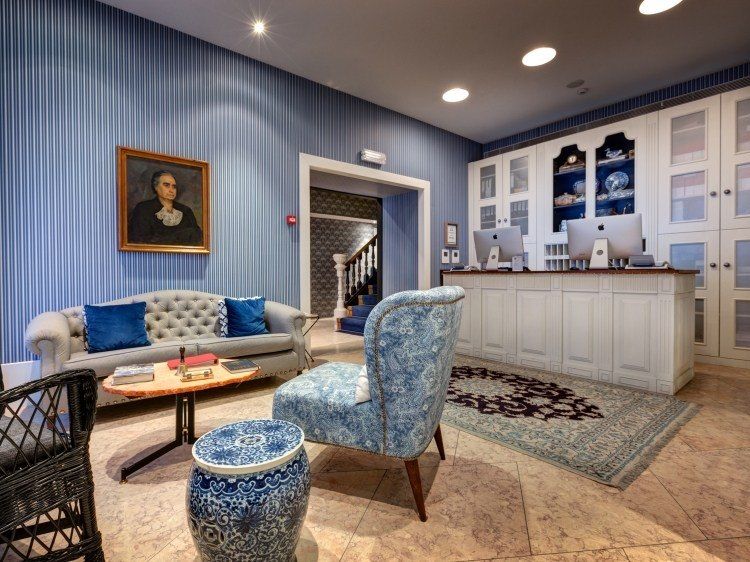
A boutique hotel is associated with a distinct identity and a considered guest experience, rather than a mandatory historical building or one fixed room count. It can be contemporary or adapt an older property. The concept should work with comfort, service and maintenance instead of replacing them.
Identity and guest rooms
Rooms may differ, but a unique design for every room is not a universal requirement. Their relationship with shared areas should remain coherent. The label alone does not determine price, food quality or complimentary services. Hotel design references offer inspiration rather than a binding definition.

The accommodation brief
Consider who arrives and how the property operates. Coordinate reception, waiting, rooms, cleaning and staff routes. Privacy, acoustics and access influence experience alongside colour and furniture. The programme can be restrained or varied according to the project.
Theme and architectural language
History, art or the setting can inform identity. A theme should not make a room difficult to use or maintain. Boutique status does not automatically establish environmental suitability or lower cost. Test the concept against actual site and operating conditions.
Adapting historical buildings
Understand existing value before intervening. New services may require routes that respect the original spatial arrangement. Record what will be retained and what can change before selecting finishes. Conservation details and regulatory review require separate specialist work.

Coordinate interiors and service
Through interior design, guest rooms, bathrooms and public spaces connect with operation. Attractive imagery is insufficient if staff routes repeatedly disrupt guests. Consider cleanable finishes, maintenance access, lighting and transitions.
Reading Iranian examples
The official Hanna Hotel information offers an example to study. The Ahvaz hotel project provides another design reference with a different scope; it is not evidence that the project is a boutique hotel. Separate classification from shared design features.

Architecture and tourism
The architecture and tourism article explores a wider place experience. This article stays focused on boutique identity and spatial organisation. Review guest arrival, privacy, service and operating demands before finalising a theme; a distinctive concept alone cannot guarantee hotel success.