
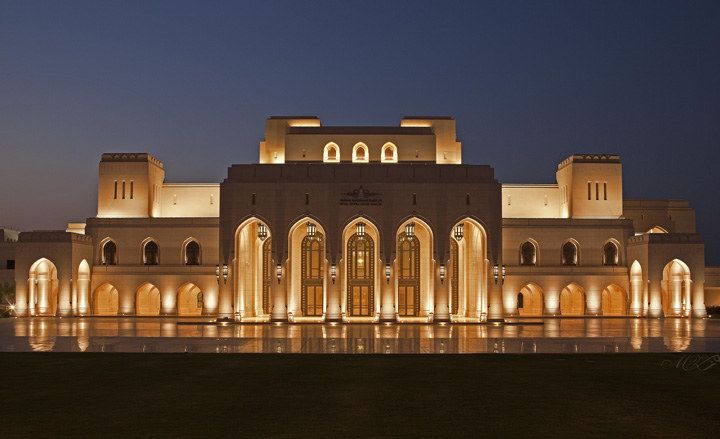
Facade lighting connects a building’s night-time appearance with its entrance, materials, details and setting. Select technology after deciding what needs light and when. Greater brightness or more movement is not inherently better, and cannot guarantee visitors or financial payback.
Define the objective
Within facade design, identify the entrance, route or detail to reveal. Review neighbouring windows, street views and surface texture. Lighting should relate to the architectural composition rather than act as an unrelated advertising layer.

Flexible lines and neon flex
The commercial term covers linear flexible sources with varying specifications. Manufacturers determine bend radius, cutting points, protection and connections. Cutting anywhere or assuming every product is waterproof is incorrect. Test a sample on the intended mounting surface.
Decorative LED units
Tubular or sequenced units can establish a visual rhythm. Check environmental protection, connectors, replacement and cleaning. Continuous movement may be intrusive in a residential setting; suitability matters more than an attractive demonstration.
Digital tubes and controls
Colour, scenes and control capability vary with the system. Video display requires suitable arrangement, density and processing, and is not guaranteed by every digital tube. Coordinate power, control and maintenance with the facade details.
Projection mapping
Projection mapping involves surveying surfaces, locating equipment and adapting imagery to openings and projections. It typically creates an illusion of depth rather than changing the physical building. It differs from installed LED displays; ambient light and material colour affect results.

Responsible, controlled lighting
The responsible outdoor lighting guide emphasises purpose, direction, appropriate quantity and control. Direct light where needed and review glare and spill towards windows or the sky. Define switch-off or dimming schedules according to use.
Materials and architectural context
The Roman-style facade article and its lighting discussion provides a related stylistic context. The 2030 Palette facade reference discusses climate response rather than lighting products. Keep the purpose of each reference clear.
Test before installation
Trial a representative facade area from different viewing distances. Review mountings, cables, repair access, product specifications and site requirements. Advertising success cannot be inferred from technology alone; the focus here is selecting systems and using light deliberately.