
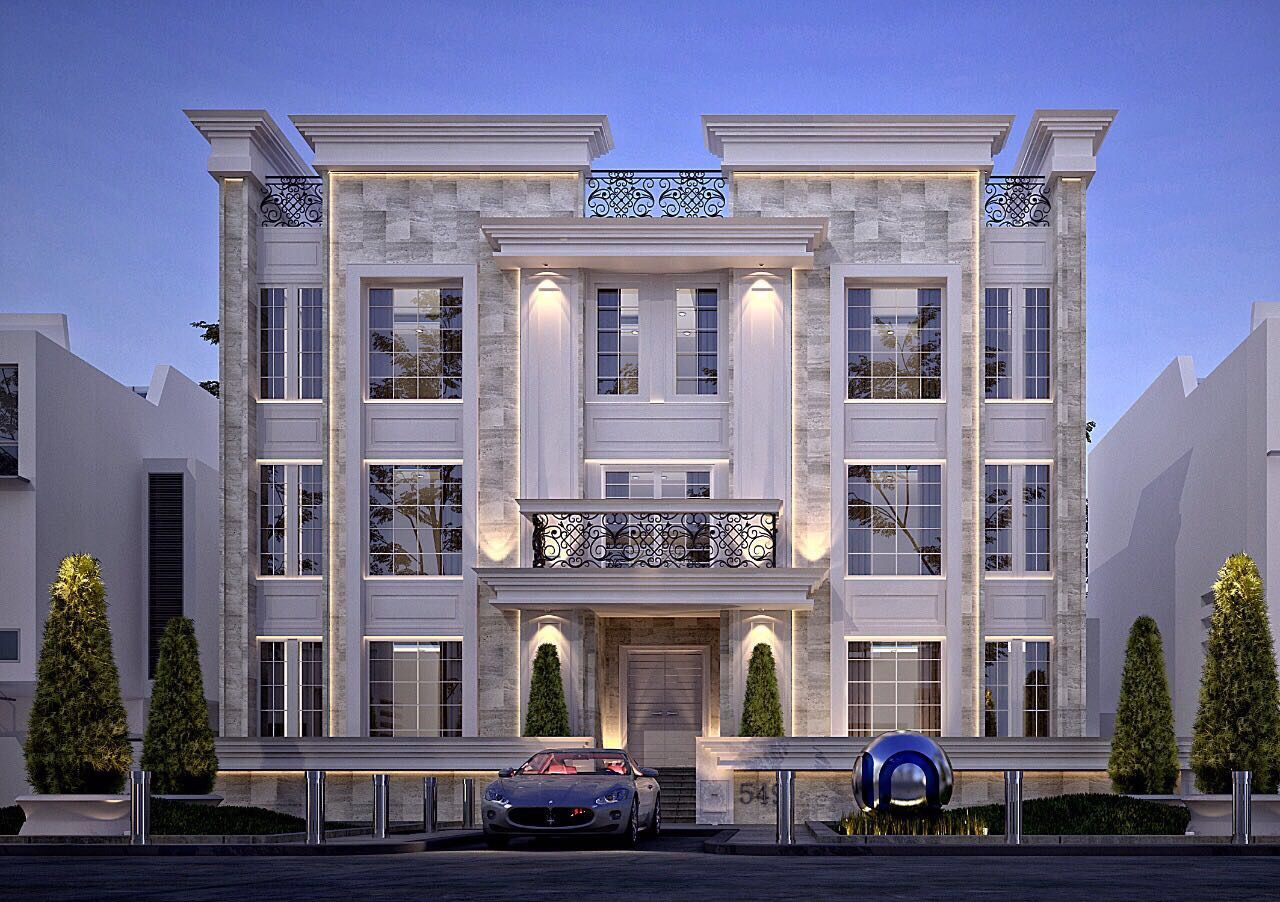
Choosing a facade design firm is easier when you understand what should be delivered and how decisions will be made. Attractive images help communication, but cannot establish technical knowledge or project coordination on their own. This guide focuses on selection criteria and scope, rather than company rankings or a price list.

Define the building’s needs first
Identify the use, location, budget and current project stage. An existing facade presents different questions from a new building, and an urban site differs from a detached setting. Projects in different countries face technical, planning and economic constraints; architectural creativity should not be equated with freedom from requirements.
Assess knowledge of styles and context
A team should explain its choices instead of applying one style to every project. The site, requirements, users and client preferences inform an appropriate language. Our Roman-style facade design steps article offers a focused discussion of proportions, distinct from the general design service.
Review how the firm’s work responds to neighbouring buildings, entrances and openings. A different visual language still needs to address street scale and internal use. Ask about the firm’s actual contribution to examples involving multiple teams.
Look for climate and material knowledge in the drawings
Professional facade design coordinates daylight, shade and weather exposure with materials and equipment. That understanding should appear in drawings and details, rather than marketing language alone. Equipment locations need to consider ventilation and maintenance as well as visibility.

Visual material and facade references can help explain preferences. The eventual choice needs to address system performance, fixing, availability and budget alongside appearance. Locally available materials can be useful when appropriate, but are not automatically best for every situation.
Ask about structural coordination and lighting
Understand how the team works with structural and other specialists, particularly for heavy elements or unfamiliar systems. Visual review does not replace assessment of loads and connections. A good-looking design cannot guarantee a trouble-free result without suitable coordination and construction.
Night lighting should be considered for glare, maintenance, energy use and neighbour relationships. A building does not need intense illumination to have a clear identity. The lighting should support the concept and use of the project.
Clarify deliverables, responsibilities and budget
Agree the stages, review rounds and drawings, specifications and details included in the service. Ask how services are coordinated and construction questions are answered. This makes proposals comparable on a defined scope instead of comparing figures for different outputs.
A realistic budget supports alternatives that can be built and maintained. A suitable architectural firm explains their implications and documents decisions, rather than relying on guaranteed approvals or absolute promises. Discuss project needs with Farid + Arjmand using these criteria as a starting point.