
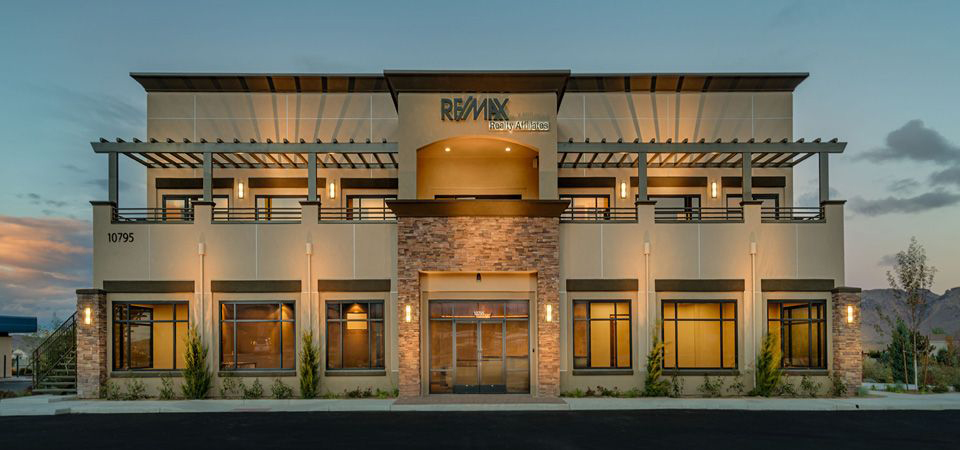
Architectural style shapes more than the appearance of a building. It influences proportions, openings, materials, spatial organisation and the relationship between a building and everyday life. A useful design approach responds to its users, climate and setting rather than treating a style name as a complete brief.

Style as a coherent design approach
A clear approach can connect facade design with interior design. Coherence does not require every space to repeat identical details. A restrained exterior and a more expressive room can belong together when scale, materials and transitions establish a deliberate relationship.
In postmodern architecture, historical references and contemporary elements may coexist. Their combination needs a reason: a sequence of spaces, a cultural reference or a response to the site. Simply collecting attractive details from unrelated buildings rarely produces that clarity.
Architectural style and daily life
People who prefer fewer possessions and uncomplicated routines may be drawn to minimalist spaces, while others value ornament and familiar references. These preferences help define a brief, but they do not determine a single inevitable style. Room size, storage, privacy and maintenance remain important whatever the visual language.
The relationship between Roman and classical facades is one example of how stylistic labels need closer examination. Proportions, the role of ornament and the way elements are assembled explain more than a label alone. A reference image should open a discussion about these qualities rather than replace it.
The city and its ordinary buildings
Prominent public buildings have often had more resources for elaborate architectural expression than everyday housing. Ordinary buildings still possess identity through their construction, local materials and use. Architectural quality is not limited to monuments or expensive projects.
In a city, repeated building forms can reflect similar plots, construction practices, local requirements and shared preferences. A distinctive building may attract attention, but copying its appearance onto a different site can lose the logic that made the original successful. Urban continuity and individual character should be considered together.

Culture, identity and changing expectations
Culture influences thresholds, guest reception and privacy. Those expectations change over time, and contemporary buildings often combine local traditions with ideas encountered through travel, education and digital media. The relevant question is how these ideas serve the people who will use the project.
Large glazed surfaces can create challenges with overlooking, sun and heat, but their suitability depends on orientation, shading, neighbouring views and opening controls. It is too broad to call them unsuitable for every Iranian home. Decisions should follow the actual site and household needs.
Turning a style into design decisions
Before selecting references, record the activities, climate, budget and site constraints. Compare options through proportions, materials, spatial organisation and buildability. Ask how the entrance, facade rhythm and interior lighting form a readable sequence.
A useful review follows a person from the street into the main rooms. Do changes in scale and material feel intentional? Does the design protect privacy without blocking useful daylight? Farid + Arjmand Architects approaches style as part of this wider architectural process, with the aim of giving each project a consistent and usable identity.