
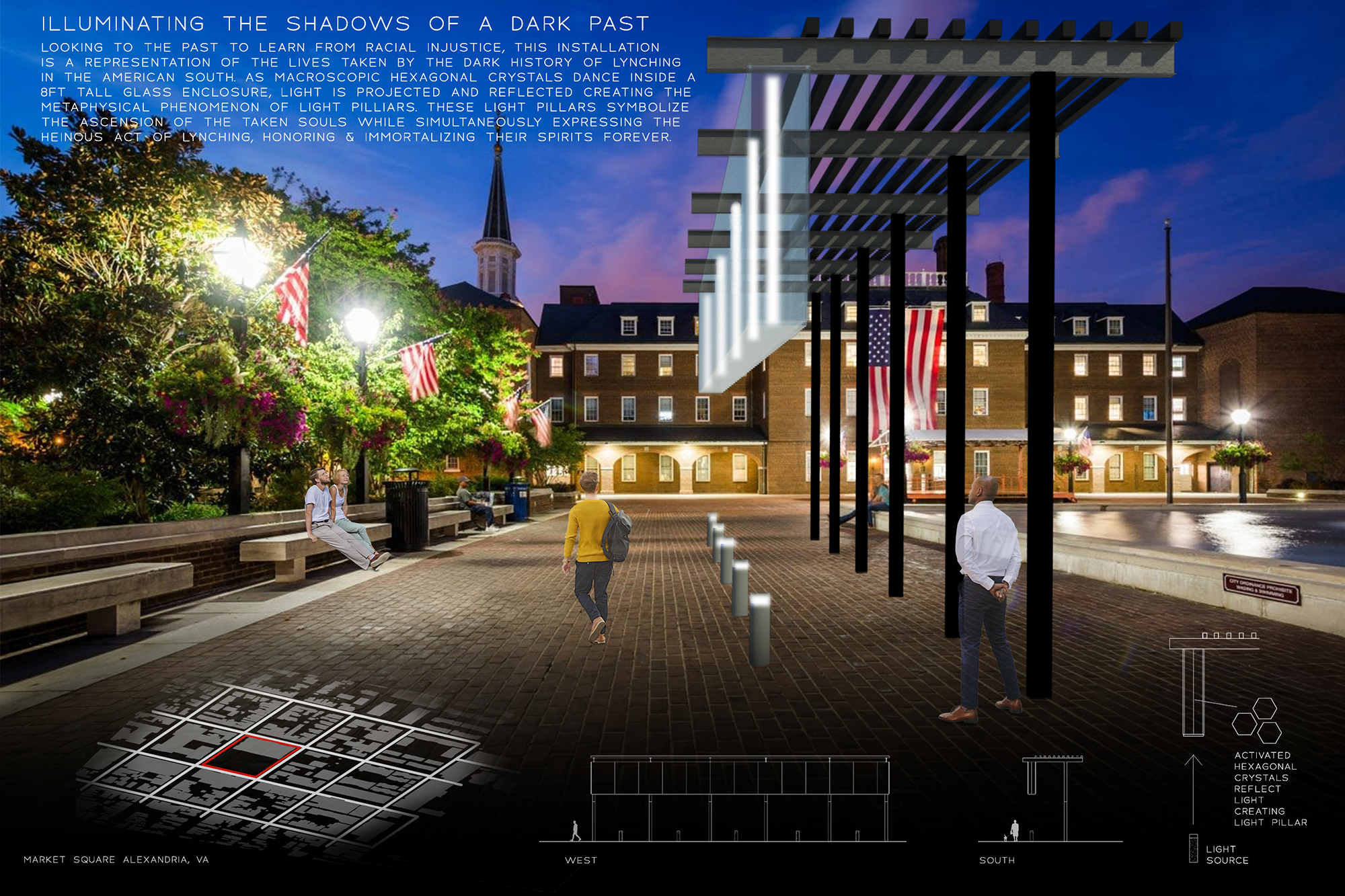
International architecture competitions can develop design thinking and provide experience of working to a defined brief. They also require time, coordination and sometimes fees. This guide from Farid + Arjmand focuses on choosing and completing a competition responsibly.
Understand the type of opportunity
Student, professional, ideas and project competitions have different eligibility and outcomes. An ideas competition is not the same as a procurement process leading to a commission. Winning does not automatically guarantee construction; the published conditions determine commitments.
Read the call before committing
Check eligibility, registration costs, deadlines, submission format, jury information and intellectual-property terms. Follow the official updates and clarifications rather than relying on an early announcement. The existing competition listings can help identify opportunities, but the organiser’s documentation governs participation.
Build a realistic team programme
Choose complementary skills, assign responsibilities and allow time for coordination and a final compliance review. State a clear design concept and support it with relevant plans, sections and diagrams. A visually impressive board cannot replace a response to the programme.
Distinguish competitions from architecture prizes
The Pritzker Architecture Prize recognises living architects’ achievement annually; it is not an open annual building-design competition. The Aga Khan Award for Architecture operates in three-year cycles and evaluates eligible projects. Their requirements differ from submitting a new proposal to a competition brief.
Use the result as feedback
Review the jury report where available and identify what can improve. Participation may strengthen a portfolio when presented accurately, but it should not be described as an award or win if it was not one. Record team contributions and obtain appropriate permissions before publishing the work.