
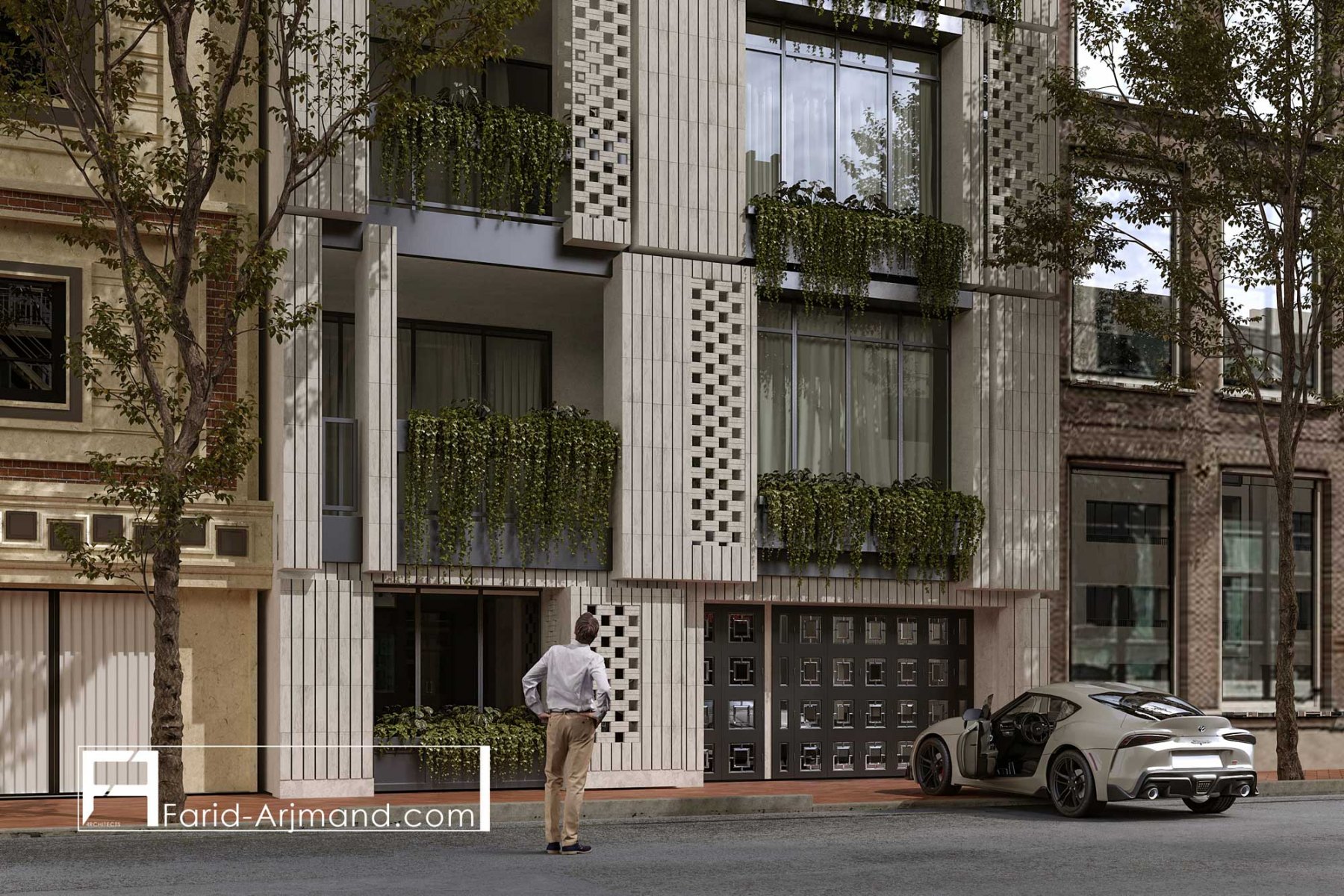
New facade materials and systems expand the designer’s options without making stone, brick, timber or glass obsolete. Start with the architectural need and required performance, then assess the product and its installation. This article introduces selected systems rather than claiming that newer materials are better for every building.
Material choice and architectural language
Metal screens and moving elements can suit contemporary compositions, but style labels alone should not determine the specification. Classical elements may also use prefabricated products when those products are suitable for exterior use. An interior decorative component should not be placed outdoors simply because it resembles stone.
Dynamic facade panels
Some shading systems change position according to the sun and a control strategy. They can manage solar exposure, but their actual benefit depends on climate, glazing, controls and maintenance. A moving shade does not automatically provide thermal insulation. Check component availability and operational responsibilities for the proposed system.

The original reference to dynamic facades is retained. Arup’s Al Bahr Towers project provides a documented example of responsive shading development.
Expanded metal screens
Expanded metal is produced by slitting and stretching sheet metal into a connected mesh. Metals, coatings and opening patterns vary between products. As a secondary screen, it can allow light and air through, while its shading and privacy effects depend on orientation, open area and the glazing behind it. Spantek explains this product structure.

Do not assume that a screen never needs replacement or provides absolute protection. Assess corrosion resistance, fixings, loading and cleaning access as parts of the complete system, rather than judging durability from the surface appearance.
Light-transmitting concrete
These products transfer light through embedded elements; they do not behave like clear glass. Some use optical fibres and others use polymer components. See the related light-transmitting concrete article and Litracon Classic product information before deciding where to use the panels and how to light them.
Shaped and insulated panels
The original article describes panels with a metal face and foam core. Market names do not establish a uniform composition, so review the specific product data. Junctions, declared thermal performance, fire behaviour, weather protection and repair access require assessment. Similar-looking panels should not be assumed to perform identically.

A practical selection process
Within facade design, identify whether the material provides shading, cladding or a visual effect. Request a sample, appropriate technical evidence and installation details, then compare cost and maintenance with an established alternative. This helps Farid + Arjmand select a system that serves the building rather than using novelty as the only criterion.