
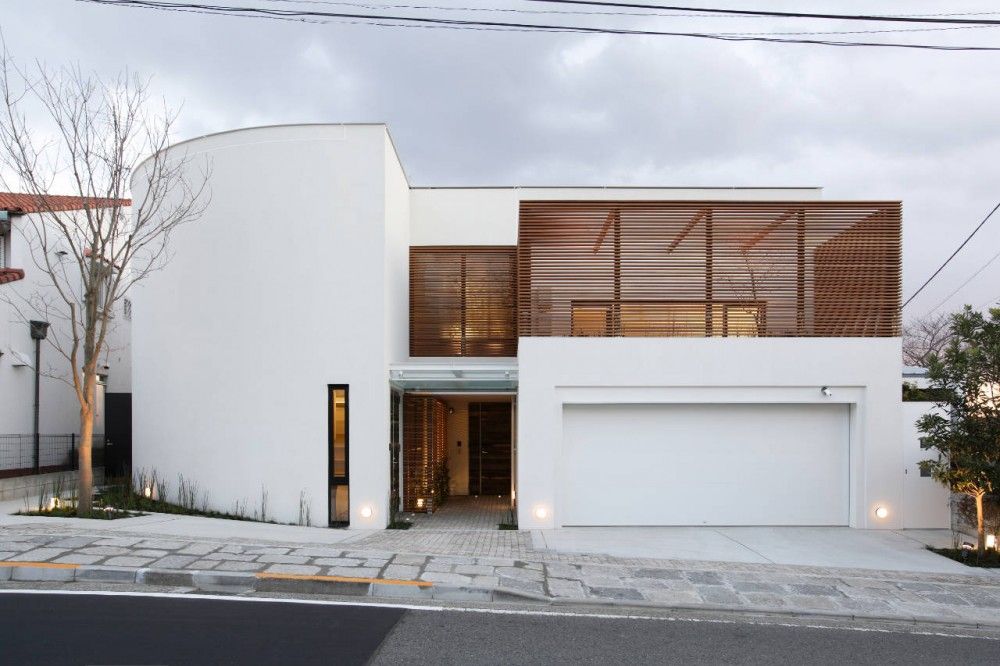
Comparing traditional, modern and postmodern architecture in Iran requires attention to space, climate and identity, rather than a ranking of styles. This article considers how the approaches can be read in interiors and facades. It is not a comprehensive history or a definitive classification of individual buildings.
Traditional architecture is diverse
Traditional houses and buildings vary with region, climate and social conditions. Courtyards, entrance sequences and movement between spaces may be important in particular examples, but they do not describe every Iranian house. Study a specific building before generalising its features.
Ideas about shade, privacy and seasonal flexibility can be reinterpreted without reproducing an entire historical house. Kitchens and living areas also need to respond to contemporary equipment and patterns of use, rather than only a desired traditional appearance.

Reinterpret climate and local materials
Studying openings, locally available materials and relationships with outdoor space helps explain traditional references. Brick or a pitched roof alone does not recreate an architectural system, and developing those principles does not require rejecting modern materials.
In facade design, principles can become details suited to current construction: proportion, shade, daylight, durability and relationships with neighbours. These choices still need to meet project-specific and local requirements, regardless of the style name.
Modern architecture extends beyond neutral colours
Some modern approaches emphasise clear organisation and reduced ornament. That does not make every modern work indifferent to culture or climate. Assess how spaces are used and how the building responds to its site, rather than judging it only by colour or straight lines.
The original article included interior design ideas as a general visual reference. Selecting a solution for a project still requires an understanding of users and technical constraints; an attractive image cannot provide that assessment on its own.

Postmodernism and cultural references
Postmodern approaches can use references, symbols and irony, but should not be equated with every mixture of old and new. Our postmodern facade design article examines that subject more closely.
In interior design, the idea may inform furniture, colour and spatial organisation, while comfort and function remain important. A single ornamental detail cannot establish the style, and an unusual combination is not automatically a successful design.

Read Iranian buildings without premature labels
Vahdat Hall, the University of Tehran entrance and Tehran City Theatre offer opportunities to study form, rhythm and context. Classifying each requires evidence about its design history and the architect’s references. Ornament, an arch or a symbolic form alone cannot settle the question.
Ask how the space operates, how it responds to climate and context, and why particular elements were selected. These questions make stylistic comparison useful in practice and help reinterpret traditional and modern ideas for the needs of a contemporary project.