
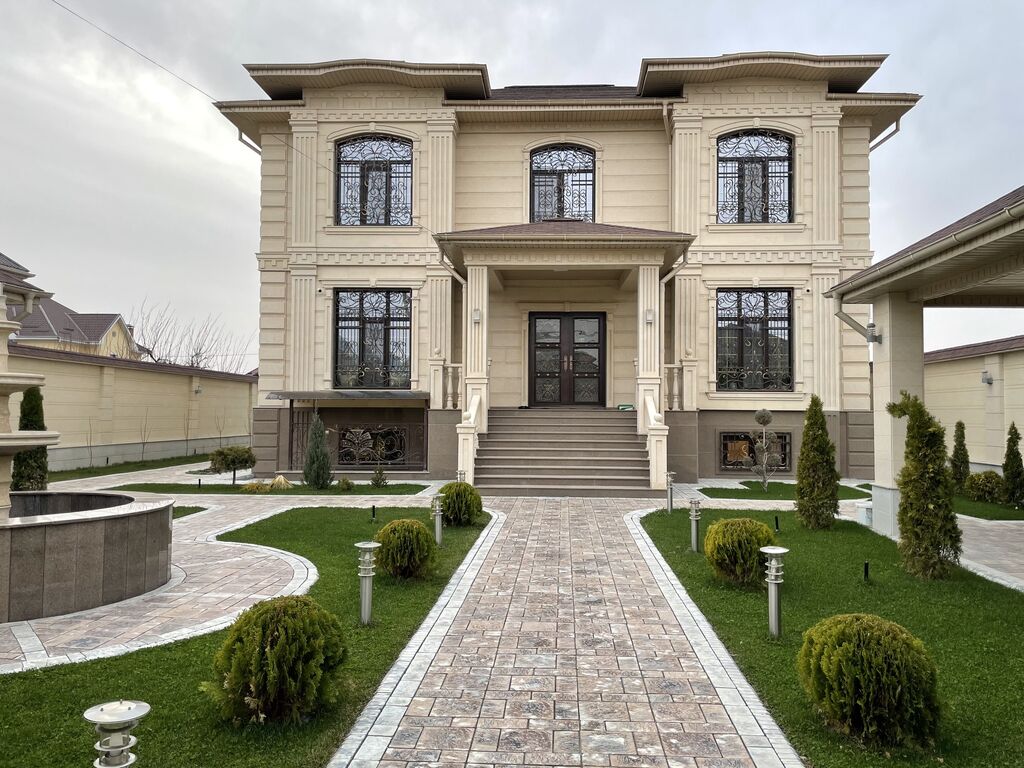
Travertine is a carbonate sedimentary stone valued for its texture and colour variation. The existing travertine reference illustrates product variety. Choosing it for a facade requires more than selecting an attractive small sample.

Understand the actual stone
Porosity, bedding, filled cavities and cutting direction influence appearance and performance. Density and water absorption vary between products; a single figure should not represent all travertine. Veining alone does not prove poor quality, while cracks and test results need proper assessment.
Where can travertine be used?
The stone appears in exterior walls, interiors and selected floor applications. Suitability for wet floors, steps or pool surrounds depends on the finish and slip performance, not porosity alone. Countertops also require consideration of staining and sensitivity to acidic substances.
Evaluate the facade system
Travertine is not a substitute for envelope insulation. Its weight depends on actual density, thickness and panel size. Mortar adhesion alone does not establish facade safety: supports, fixings and the substrate need a project-specific design. The broader importance of the external facade includes those construction decisions.
Water, frost and protective treatments
Absorption and freeze–thaw exposure need review for the chosen climate. Filling or a compatible protective treatment may reduce staining and absorption, but cannot make them zero or replace drainage and secure connections. Check outdoor suitability, colour change, breathability and maintenance with the manufacturer.
A practical selection checklist
For facade design, compare several full samples in daylight beside the other materials. Confirm finish, filler, thickness and relevant test data. Coordinate panel dimensions, joints, drips and repairs before purchase. Use cleaners suitable for carbonate stone and trial treatments on a sample first.