
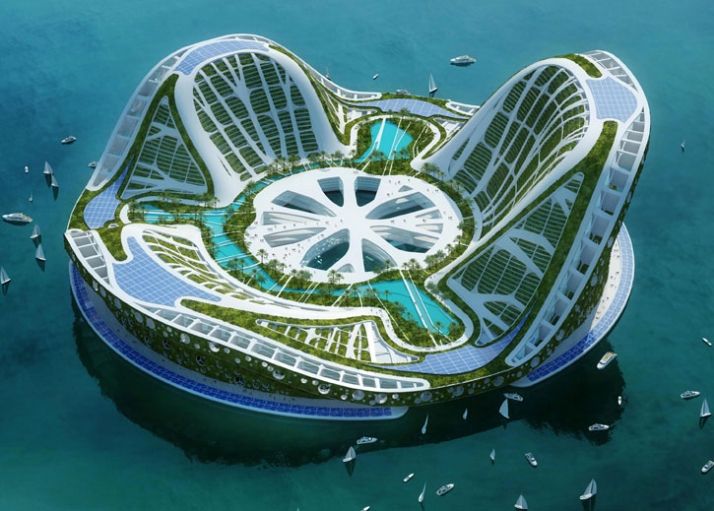
Bionic architecture studies natural forms and processes as possible sources for architectural ideas. A shell, branching structure or protective surface may suggest an approach, but resemblance to nature is not proof of technical performance. The relevant question is what principle is being studied and how it can be adapted to a building’s materials, scale and use.
More than an organic outline
A design can borrow a natural silhouette without reproducing the system behind it. Functional inspiration goes further: it asks how an organism supports loads, responds to its environment or distributes material. These are starting points for investigation, not ready-made engineering solutions.

Form, structure and environment
Natural references may influence geometry, structural organisation or control of light and heat. Each direction needs a separate design test. A lighter-looking structure is not necessarily more efficient, and an organic facade does not automatically reduce energy use. Performance should be assessed against a relevant alternative.

Examples and their limits
The Hemisfèric in Valencia is conceived around the image of a human eye. It shows a direct relationship between a natural reference and architectural form. The Bionic Tower, by contrast, is a proposal and should not be described as a completed building. A project image alone cannot establish feasibility or measured environmental benefits.
From observation to a buildable design
Identify the biological principle, simplify it into a design hypothesis, then test the hypothesis through modelling and specialist coordination. Connections, maintenance, weathering and construction sequence remain essential. If the principle cannot be explained beyond visual similarity, describe it as formal inspiration rather than a proven technical system.
A focused architectural approach
Bionic thinking can enrich a project when it serves the brief instead of becoming an independent visual theme. The bionic architecture project archive offers further examples. At Farid + Arjmand, natural references are useful when they help clarify an architectural idea alongside function and buildability.