
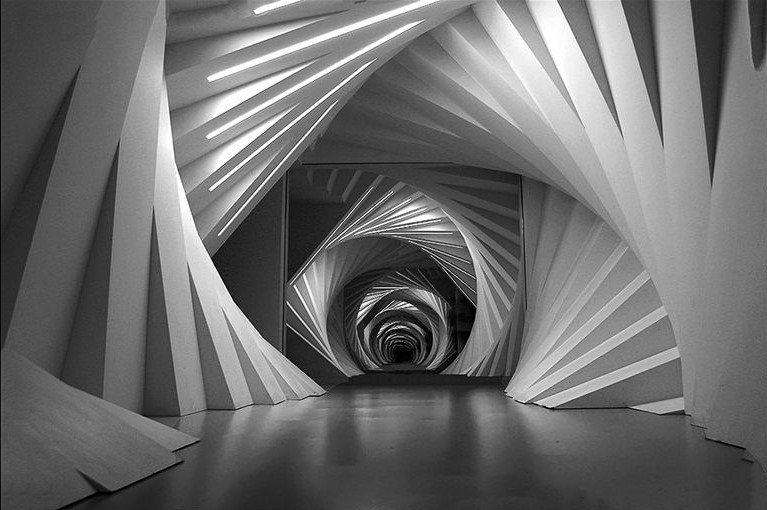
Architectural photography connects an understanding of buildings with the craft of making images. Its purpose extends beyond producing an attractive view: a useful photograph explains form, materials, context and the way a place is experienced. The photographer needs to understand the architect’s intentions as well as exposure and composition.
Agree on the purpose before a shoot. A project archive, portfolio, competition submission and public introduction may need different selections. Identify the spaces, connections and details that matter so a striking close-up does not replace a clear account of the whole building.

From documentation to spatial storytelling
Buildings have appeared in photographs since the medium’s earliest years. Joseph Nicéphore Niépce’s View from the Window at Le Gras, among the earliest surviving camera photographs, records buildings around his home. Architectural images later became an important means of recording heritage and communicating contemporary projects.
A sequence can explain arrival, movement through rooms and the connection between inside and outside. Detail photographs should support that sequence. Used alone, they rarely explain the organisation or scale of a building.

Photographing interiors
When photographing interiors, begin with views that explain the layout and circulation. Closer images can then describe textures, material junctions and lighting. Balance window light with artificial illumination so neither the interior nor the outside view overwhelms the image.
To document interior design, show how furniture, openings and movement routes relate. A single cropped corner can give a different impression from the experience of entering and using the room.

Facades in their surroundings
The appearance of an elevation changes with orientation, time of day and neighbouring shadows. When recording facade design, combine an overall view with images of the opening rhythm and material details. Our article on practical facade design discusses the relationship between the design idea and its built resolution.
People can communicate scale, while planting and street views explain context. Moving subjects do not always need to disappear. Choose the moment so they support the composition without obscuring important architectural information.
Viewpoint, composition and faithful editing
A level camera and a suitable working distance help reduce converging vertical lines. Symmetry, the rule of thirds and framing within a frame are useful options, rather than rules that guarantee a successful image. The composition should explain the architectural idea.
Adjust exposure, colour balance and perspective without altering the building’s proportions or the character of its materials. Excessive retouching and removal of important site elements can misrepresent the project. Prepare a shot list, review it on location and deliver a sequence that explains the experience of the place.