
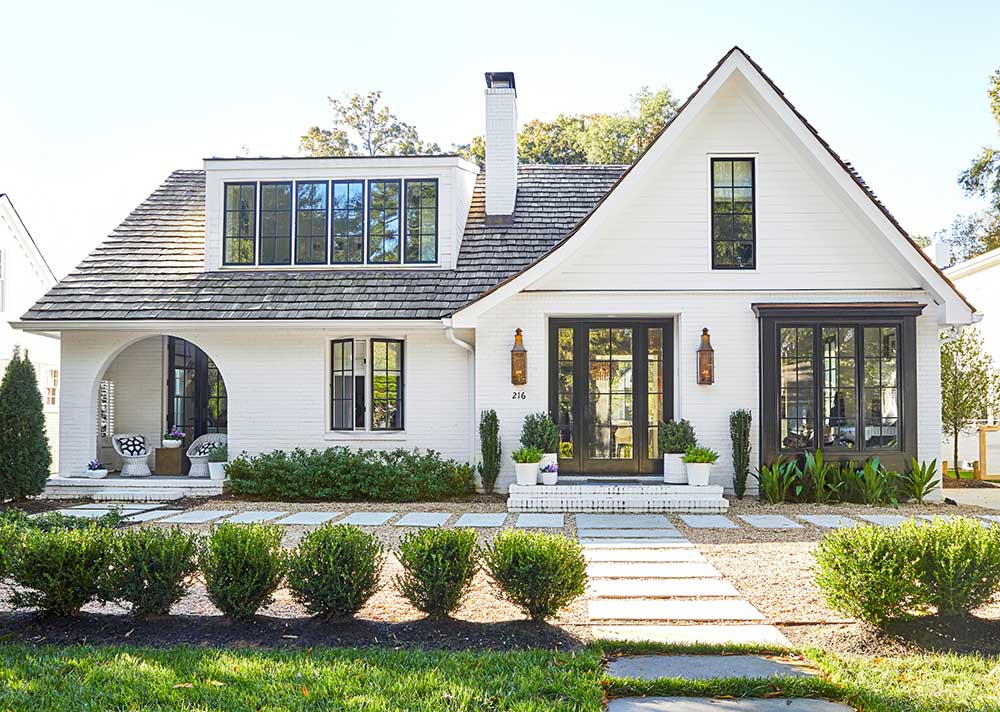
Choosing a villa style should not begin with a favourite image alone. Site, climate, daily life, budget and construction inform the appropriate architectural language. In villa design, style follows an understanding of the brief and location.

Building type and style differ
Single-storey, duplex and triplex describe the organisation of levels; modern, classical and neoclassical describe architectural approaches. The article on villa types and styles explains the distinction. A style name should not predetermine the number of floors.
Modern approaches
Modern villas often emphasise clear massing, light and outdoor connections. Open plans and large windows still need to respond to privacy and climate. Explore modern villa design ideas as decisions to test, rather than a fixed recipe for every site.

Classical and neoclassical approaches
Classical architecture values proportion, rhythm and order rather than the number of columns or ornaments. Neoclassical approaches draw on classical references and can be interpreted for contemporary needs; they are not simply a midpoint between classical and modern styles. Coherent composition and well-resolved details matter in either approach.
The users’ way of life
Family size, guests, permanent or occasional occupation and privacy affect planning. Establish how gardens, terraces and pools will be used, then test the style against a practical layout. Architecture should support everyday life rather than require occupants to imitate a photograph.
Site and climate
Assess geometry, slopes, access, neighbours and views. Sun, temperature, humidity and wind influence orientation, openings and materials. A resource on climate-responsive design explains this relationship. A solution for a humid coast may not work on a cold mountain site.

Coordinate landscape, facade and interior
Landscape design should develop with the building to organise arrival, seating and garden connections. Facade design expresses proportions, openings and massing, while interior design coordinates materials, light and the experience of rooms. Shared identity does not require copying exterior elements throughout the interior.
Budget, technology and construction
Complex volumes, wide openings and special details may increase design and construction requirements. Coordinate choices with execution services early. Contemporary controls and equipment can be integrated into different architectural styles without changing their visible character.
Make a documented choice
Record criteria for privacy, daylight, outdoor use, budget and maintenance, then compare alternatives against them. No style is best for every villa. The principles of villa design and construction help carry the decision into coordinated plans, details and delivery.