
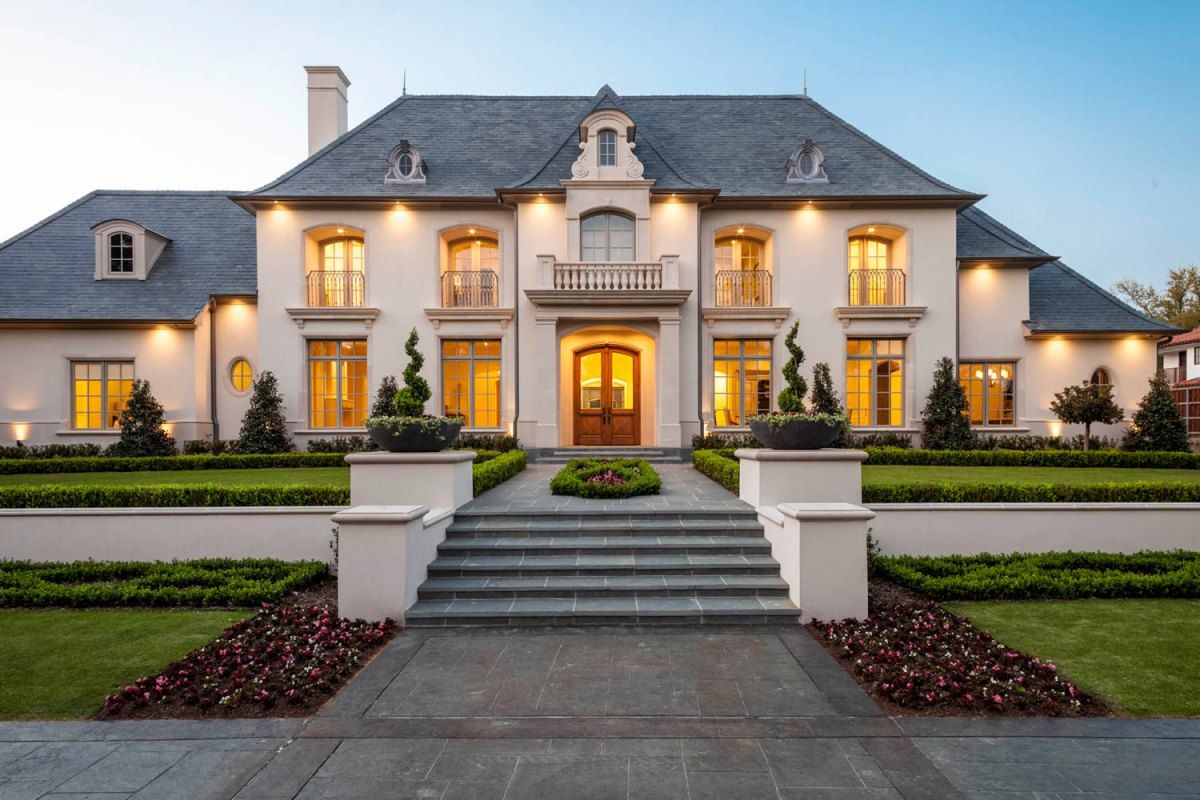
A building facade contributes to how a place is perceived, alongside light, sound, greenery, movement and social conditions. Responses vary between people and cultures. A particular architectural style does not establish a cure for anxiety or a reduction in depression or crime. This article examines visual perception and everyday experience without turning design preferences into universal psychological claims.
The facade as part of the urban scene
A street can be read through its ground plane, building edges and skyline. Heights, opening proportions, material depth and surface finishes contribute to that scene. A facade presents a building’s visual identity, but it does not reveal the quality of every interior or the personality of its occupants. Assess it from pedestrian viewpoints and approaching routes as well as distant views.

Culture and visual associations
Materials and forms can carry memories and local associations. Different people may read the same facade differently. Roman or classical styling may suggest grandeur to some viewers, but this does not justify conclusions about occupants’ values or a universal attraction to luxury. Context, detailing and performance deserve assessment beyond the name of the style.
Windows and entrances connect inside and outside. Their arrangement affects daylight, shade, outlook and privacy. These functional relationships should be considered alongside the composition: people experience how the envelope works as well as how it looks.
What should designers consider?
Start with climate, daylight, opening positions and material safety, then examine entrance clarity and the relationship with the street. See building facade design principles, styles and materials for the wider subject. The focus here is perception and experience rather than a full guide to facade systems or construction requirements.
Strong colour contrasts and disconnected elements may appear distracting to some viewers. Their effect depends on proportion and composition, rather than a single colour being inherently harmful. Planting can bring a visible connection with nature when support, irrigation and maintenance are planned; a green facade is not a medical treatment.

Contextual harmony without uniformity
Different buildings can relate through edge lines, opening proportions and materials without copying one facade. Check project-specific approval and material requirements with the local authority instead of assuming a rule applies to every city or district. A proposal should balance building identity, street coherence and local context.
Detail and visual complexity
Ornament and numerous details can attract attention, but quantity alone does not establish design quality or suitability for leisure uses. Rhythm, hierarchy and focal points help viewers read a composition. A study of complexity and aesthetic preferences for building facades examines visual attention and preference; its findings should not be treated as proof of therapeutic effects or identical responses across people and buildings.
Brick and local memory
Brick facades may evoke historic architecture or familiar local settings. Their success also depends on colour, detailing and how the material meets adjacent elements. Any requirement for a particular type or proportion of brick must be checked against applicable project rules rather than presented as a universal obligation.

Renovating older facades
Renewal can improve a street’s appearance and building condition when it addresses deterioration and respects neighbourhood identity. Repainting alone does not establish improved wellbeing for every resident. A refurbished commercial facade may make its entrance and presentation clearer, but customer numbers and revenue also depend on location, service and other factors.
Night lighting and route clarity
Lighting should make entrances, steps and pedestrian routes legible while limiting glare and light spill into windows. More brightness does not automatically mean more comfort or safety. Check source position and direction from pedestrian and resident viewpoints. The Department of Energy guidance on glare explains why this issue needs assessment.
Testing the design options
Compare alternatives using similar viewpoints and lighting conditions, and ask users about entrance clarity, coherence and first impressions. Review close-up details, daytime and night views, and maintenance needs. The facade design service brings these decisions together with context and performance. Explore Farid + Arjmand projects for examples of different architectural approaches.