
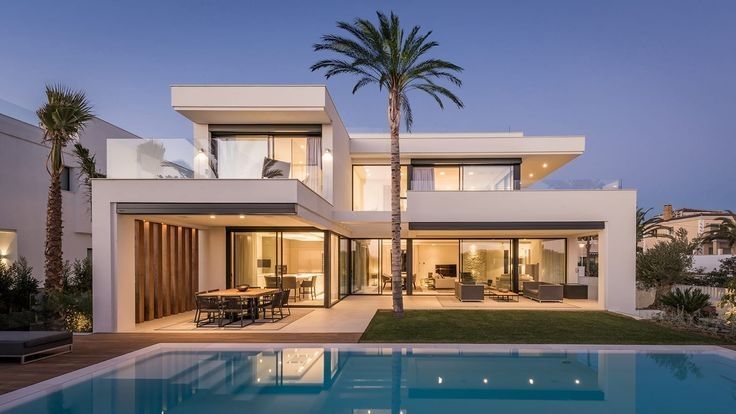
A modern villa may offer clear massing, connections to a garden and flexibility in parts of the layout. These are potential benefits achieved through a suitable design, rather than automatic results of choosing a style name or large areas of glass.
Fit the style to the site and residents
Start with users, climate, privacy and budget. The villa design stages article follows the overall project journey, while villa design combines site, plans, massing and materials. Here the focus is on the benefits and limits of choosing a modern language, not a complete construction guide.

Daylight and glazing
Windows can connect interiors with views, but extensive glazing can introduce glare, unwanted heat gain or privacy problems. Choose size, orientation, glazing and shading together. The window technology guide explains why climate and orientation matter alongside appearance. Larger glass areas are not always better.
Masses, materials and colour
Clear volumes can emphasise proportion, material junctions and shadows. Neutral colours and timber are possibilities, alongside other palettes appropriate to the concept. The modern design reference gives visual context; it does not require every modern villa to be white or cubic. Materials still need appropriate detailing and maintenance.
Connection with the garden
Identify real outdoor uses: sitting, circulation, play or other activities within the brief and budget. Every garden need not contain every amenity. Review night lighting, access, drainage and privacy so that the house-to-garden relationship works during actual use rather than only in the daylight render.

Creativity and future expansion
Creativity is possible across architectural traditions. A simple composition may make the visual integration of an addition easier, but expansion depends on structure, permitted development and services. Plan for it in advance; a modern label does not automatically make a villa extendable. Nor does modern design guarantee permanent freedom from changing taste.
Weigh opportunities against constraints
Compare options for daylight, comfort, cleaning, service life and future household needs. Ask how glass will be cleaned, parts replaced and spaces adapted. A suitable choice balances everyday experience with cost and turns visual possibilities into practical, maintainable architecture.