
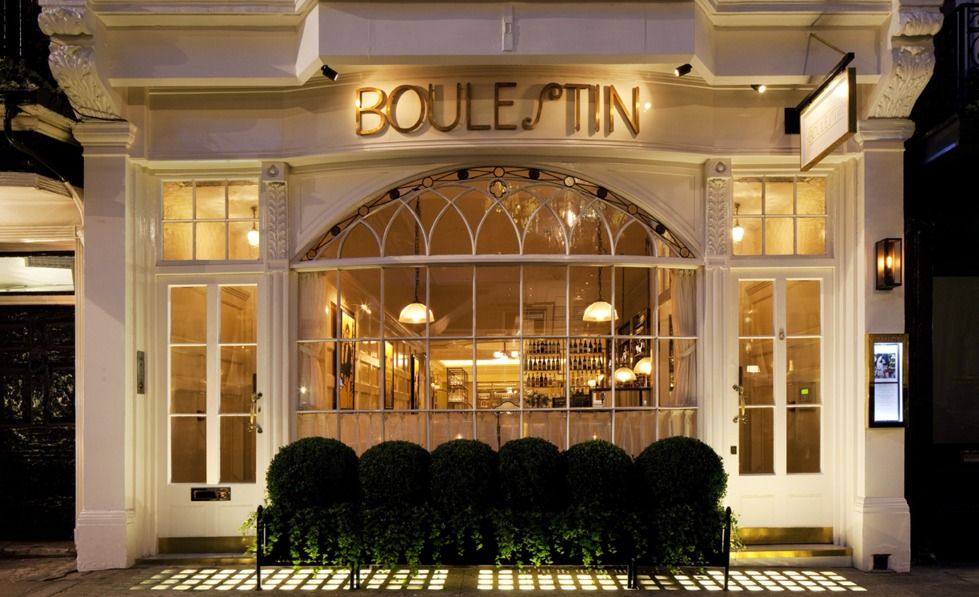
Restaurant facade design starts with visiting the site and understanding the service, audience and identity. A facade can support the first impression without guaranteeing customer attraction or business success. Review windows, views, entrances, courtyards, rooftops and outdoor seating alongside constraints and circulation.
What does the facade tell a visitor?
The exterior helps visitors recognise the place and anticipate the experience. The entrance should be clear, and the outside should relate to the menu, service and interior. People do not all respond identically, so test decisions against the audience and context rather than assigning a fixed feeling to an architectural feature.
Classical character and proportion
A restaurant with a classical identity can draw from Roman-style facades, considering proportions, building size and column and cornice details. Not every classical restaurant needs a heavily decorated exterior. A simpler composition, coordinated materials and a considered entrance may be sufficient, especially on a limited frontage.

In open-air areas, the facade overlaps with canopies, seating and planting boundaries. Coordinate these with climate, lighting and services, and check which outdoor areas can be used. A visually appealing canopy does not replace thermal comfort, clear movement or maintainability.
Modern character and materials
A modern facade can use clear massing, lines and material relationships, linked to modern design inside. Timber, concrete and glass are possible choices rather than mandatory style ingredients. Select materials for durability, site suitability and cleaning access, not simply because they are popular.
Images of building facades offer visual references, while colours and textures need testing with actual samples in site lighting. Modern restaurants are not restricted to one palette, and colour alone does not establish pricing or cuisine.

Clarity, coherence and cleanliness
Clarity means visitors know where to enter and can read the name. Competing colours, lighting and features can weaken that message. Coherence means an understandable relationship among exterior elements and between outside and inside, rather than repeating every detail. Materials, lettering and signage should support a recognisable identity.
Cleanliness requires maintainable design: reachable surfaces, water-shedding details and replaceable parts. An attractive opening-day facade may deteriorate visually if corners gather dirt or glass cannot be cleaned easily. Review the frontage by day and night with actual operating equipment.

Scale, height and the entrance
Entrance size and height affect the composition, but a large opening does not guarantee luxury or a low one familiarity. Coordinate proportions with the building, street and arrival experience. Check waiting, takeaway queues and pedestrians so seating, canopies and planters do not obstruct public movement.
Colour and lighting
Colour interpretation depends on culture, branding, light and surrounding materials. Blue does not necessarily mean seafood, and warm colours do not create a uniform response. Test samples by day and night. Contrast can improve legibility when controlled; strong colour or brightness alone does not demonstrate quality.
Direct lighting to the entrance, sign and important features without glare or disturbance to neighbours. Concealed and coloured lighting are design options, not fixed labels for premium or ordinary restaurants. Consider lamp replacement, cleaning and protection in outdoor conditions.
Windows and privacy
Glass may let visitors see the atmosphere inside and seated customers enjoy outside views. Balance this with privacy, sunlight, reflections and cleaning. Some concepts use fewer openings to create curiosity, but light and comfort still matter. Glazed area alone cannot establish facade quality.

Name, sign and typeface
Make the name legible from the actual viewing distance. Sign size depends on frontage, approach, movement speed and identity; a small logo is not inherently more luxurious. Choose lettering for distinction and readability and test it at full size rather than only on a design screen.
Match the experience inside
In restaurant facade design, coordinate visual expectations with service, menu and interior design. A deliberate surprise may work, while accidental contradictions can confuse visitors. Business success also depends on food, service, management and location; design does not guarantee it.
Before construction, test materials, lighting and signage and review joints, rainwater and maintenance access. This article focuses on the exterior; kitchen layouts, design fees and menu planning are separate topics. Farid + Arjmand Architects coordinates project identity with materials and construction details.