
Smart building design coordinates architecture with systems that respond to user needs. It begins with use scenarios rather than buying the largest collection of devices. Controls may improve comfort and energy management, but savings depend on commissioning, maintenance and actual operation; the smart label alone proves neither efficiency nor economic payback.
What makes a building smart?
Lighting, heating, cooling and sensors should support defined goals. Sustainable facades and climate-responsive design are related to performance but are not synonymous with automation. Renewable generation or sky gardens alone do not establish the quality of a control system.

Interior controls and daily scenarios
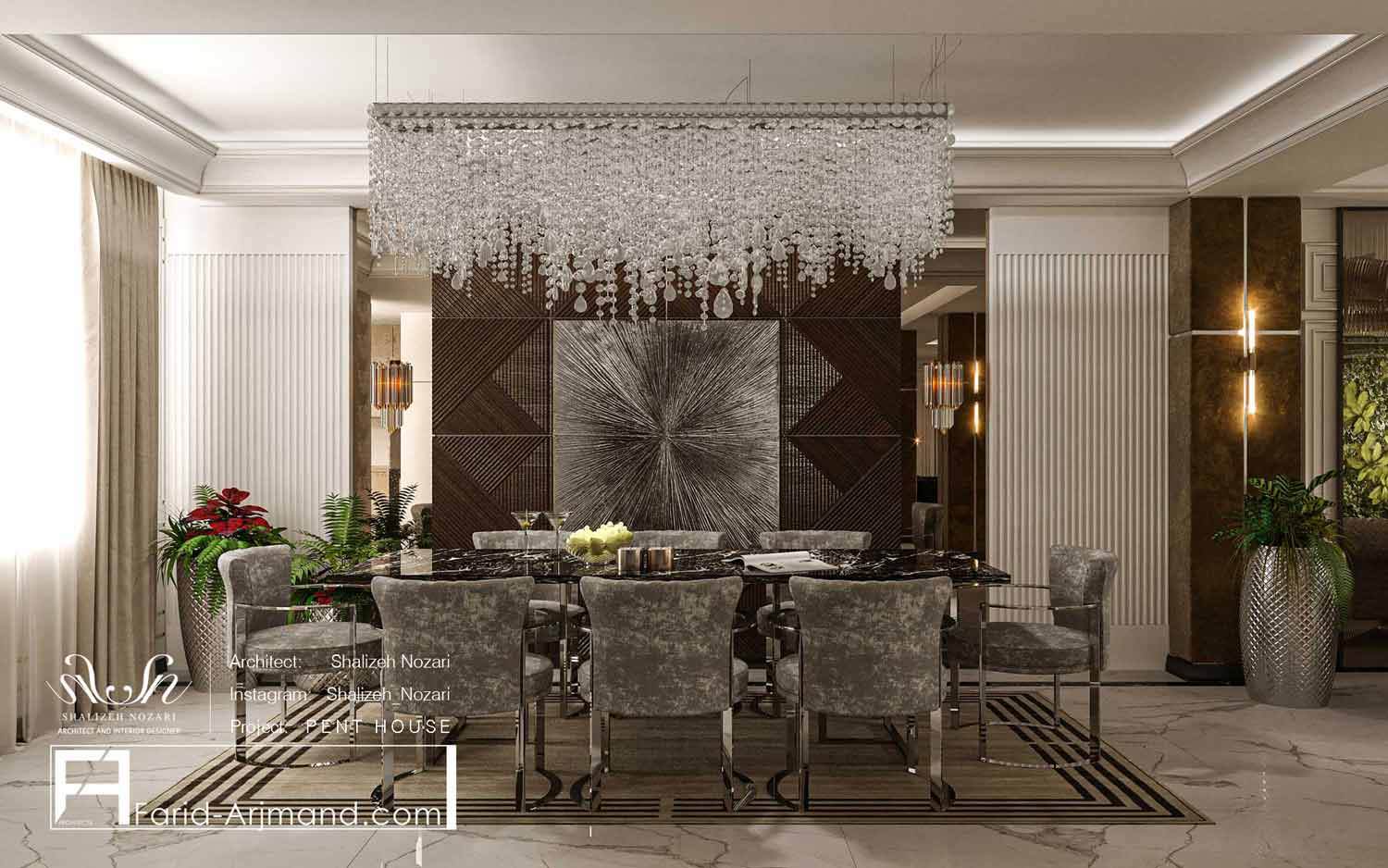
Set out arrival, departure, sleep and work scenarios. Light and temperature controls can operate locally or remotely depending on the equipment and infrastructure. Retain understandable manual operation if power or internet connectivity fails. These interior ideas offer visual inspiration, while specialist system design requires a different assessment.
Access, security and fire systems
An electronic lock does not automatically make conventional access solutions obsolete. Select clear, suitable entry methods for the occupants. Accessible controls can assist users with disabilities when tested with them; a phone interface does not remove the need for usable switches and routes. Home automation is not a substitute for approved fire detection and suppression. Any connection to an alarm service needs specialist design and verification.
Facade, ventilation and irrigation
Within facade design, movable shading and controllable openings may be appropriate when justified by climate and performance. Assess weather exposure, maintenance and safety before automating movement. Plant irrigation needs water suitable for the system and intended use; not all reused water is automatically appropriate.

Coordination, commissioning and cost
Sensor and control locations should work with interior design. Define user permissions and repair access. The building controls reference addresses coordination across design, operation and maintenance. Evaluate purchase, commissioning, support and measured savings together rather than promising automatic recovery of the initial cost.
Examples and digital protection
The Bahrain World Trade Center integrates wind turbines into architecture, illustrating how energy generation differs from automation. Digital protection requires access management, software updates and attention to user data. Discuss the consumer IoT security guidance with the system specialist. Test the agreed scenarios and provide clear handover instructions before calling the installation operational.