
Facade Materials: Brick, Stone, Timber and Glass
11 January 2021Choosing facade materials brings appearance, performance and cost into one decision. No material suits every building: climate, installation and maintenance matter alongside colour and texture. Reviewing materials used in building renovation can also help assess unfamiliar products. Brick facades Brick creates texture and a repeatable rhythm that can support contemporary architecture. Cost varies with the…

Villa Types: Layouts, Levels and Architectural Styles
27 December 2020Villas can be classified by spatial organisation, levels and their relationship with a garden, or by architectural language. Single-storey, duplex and triplex describe how a dwelling is arranged. Modern, classical and neoclassical describe its expression. These are different but connected decisions: the number of floors does not determine the style. The villa, its site and…
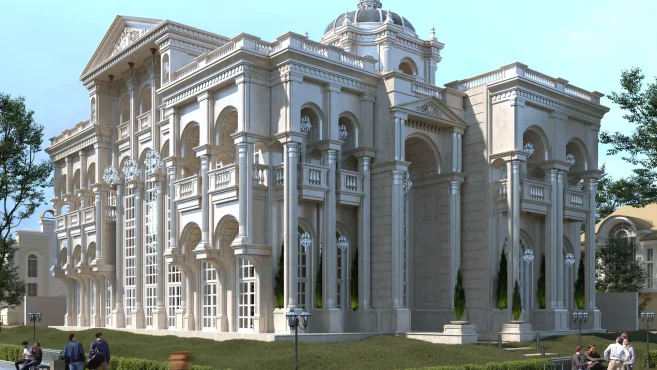
How to Design a Roman-Style Facade: Steps and Proportions
20 November 2020A Roman-style facade is best developed from the building’s actual conditions rather than a collection of ornaments copied from a photograph. Establish a clear composition connecting entrances, openings and solid areas, then develop the details within it. This article focuses on how to start and refine a design; the history of classical architecture and detailed…

The Facade Design Process: Existing Conditions to Construction Details
12 November 2020This article considers facade commissions in which parts of a building have already been fixed before the architect starts work. The structure, room layout, windows or balconies may be in place. Design then begins with understanding those conditions and identifying what can change, rather than assuming complete freedom over the form. The distinction is discussed…

The Architecture Market: Clients, Competition and Practice Position
Two architectural practices are not necessarily direct competitors simply because they offer similar services in the same city. The architecture market is shaped by the client, the problem to be solved, the available budget, the project stage and the scope of work. Understanding those factors gives a practice a more useful point of reference than…

Coffee Shop Design Ideas: Walls, Ceilings and Furniture
10 November 2020Coffee shop design ideas help build a memorable identity alongside a good menu and service. A café can support meetings, work and breaks, so visual concepts should remain connected to use. This article focuses on walls, ceilings, floors and furniture; coffee shop planning principles form a separate foundation that should come first. Parametric compositions and…

Restaurant Facade Design: Entrances, Lighting and Visual Identity
3 November 2020Restaurant facade design starts with visiting the site and understanding the service, audience and identity. A facade can support the first impression without guaranteeing customer attraction or business success. Review windows, views, entrances, courtyards, rooftops and outdoor seating alongside constraints and circulation. What does the facade tell a visitor? The exterior helps visitors recognise the…

Roof Garden Construction Details: Loads, Waterproofing and Drainage
11 October 2020Roof garden construction details should be coordinated during building design. Planting and some equipment may be installed late in the project, but structural capacity, waterproofing, drainage and services cannot be left until then. This article focuses on construction layers; the types of green roofs are a separate topic. Assess the building and intended use A…

Office Interior Design: Layout, Circulation and Furniture
26 September 2020Office interior design begins with everyday work rather than copying a famous workplace photograph. A useful office combines planning, circulation, comfort and organisational identity. Design can support collaboration, concentration and the visitor experience, while performance also depends on management, equipment and how the space is used. Examples of successful design offer ideas for interiors without…

Architectural Supervision Principles: Construction Checks and Reports
22 August 2020Architectural supervision principles concern checking construction against approved documents, coordinating disciplines, recording observations and following up corrections. This guide discusses general topics in the context of Iranian building projects. It does not replace the official scope of services, current requirements or specialist judgement on an individual site. Understand the roles before work begins The number…