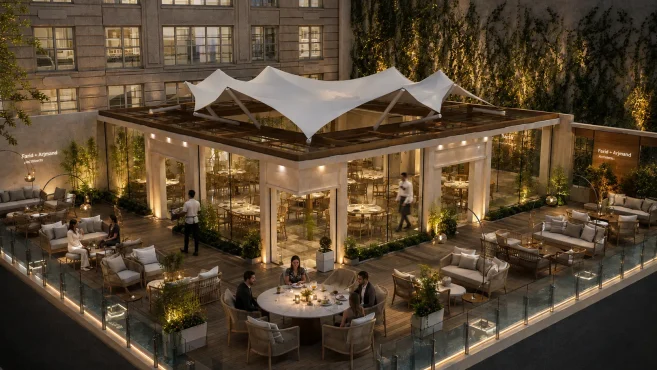
Building Renovation and Repairs: Stages, Costs and Management
3 May 2020Building renovation repairs damaged components, updates spaces or reorganises how an existing property is used. Renovation, refurbishment and restoration overlap, but their purposes differ. Restoring a building of historic value requires specialist assessment and protection of its character. These renovation and rehabilitation projects illustrate the range of possible interventions. Types of building renovation A small…

Architecture Business and Marketing in Iran: A Practical Perspective
21 April 2020Architecture Business and Marketing in Iran A large construction sector does not automatically create an easy market for every design practice. In my experience, many graduates have found entry into architectural work difficult. This article does not provide reliable statistics placing architecture among the five worst employment fields. It offers a practical, personal account rather…

Modern Interior Design: Colour, Lighting and Layout
19 April 2020Modern Interior Design Modern architecture has roots in the late nineteenth century and developed through movements of the twentieth century. Simplicity, innovation and the relationship between form and function became important principles. A simple interior still needs a clear plan: reducing decoration does not mean removing organisation or leaving the room empty. Characteristics of modern…

Roof Gardens and Green Roofs: Design and Construction
17 April 2020A roof garden turns part of a building’s roof into a planted outdoor space for sitting, relaxing and enjoying the view. A green roof can also be a lightweight planted system that is not intended for everyday access. Residential, commercial and office roofs have different requirements: the right design starts with the intended use and…

Landscape Design in Architecture: Site, Planting and Outdoor Space
10 April 2020Connect architecture with usable outdoor space Landscape design links a building with its surroundings through routes, levels, planting, surfaces and places to stay. It is more than filling leftover land with greenery. A successful outdoor environment supports everyday use while responding to the conditions of the site. Professional landscape design begins alongside architectural planning. Gardens,…

Classical Interior Design: Proportion, Materials and Details
6 April 2020A classical interior is more than ornament Classical interior design draws on ordered compositions and historical traditions that developed well beyond ancient Greece and Rome. Symmetry, proportion and a hierarchy of elements often organise the room. A gold finish or an ornate sofa does not establish the style on its own. Luxury is not exclusive…

Classical Architecture: Greek and Roman Principles
3 April 2020What classical architecture means Classical architecture has its roots in the building traditions of ancient Greece and Rome. It developed across different periods, regions and building types, so it cannot be confined to one century or reduced to a white stone facade. Its later influence includes many reinterpretations rather than one unchanged style. The fifth…

Building Facade Design: Principles, Styles and Materials
31 March 2020The facade is part of the building Building facade design establishes the public identity of a project while responding to the spaces behind it. It combines architectural composition with decisions about weather protection, openings, materials and construction. A pleasing image is only one part of the work. Professional facade design begins by reading the site,…
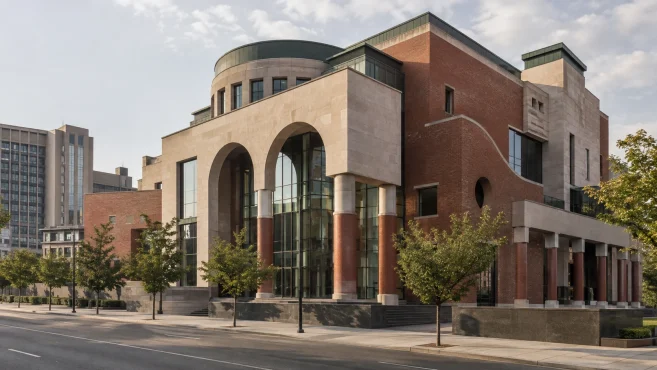
Postmodern Architecture and Related Movements: Key Distinctions
1 March 2020One period, several different approaches Architecture after the dominance of modernism did not follow one common direction. Postmodernism, deconstructivism and environmentally oriented technological design overlap in time and in certain critical questions, but they are not interchangeable terms. This article examines their relationship rather than repeating a general history of postmodern architecture. Postmodern and post-modern…

What Is Postmodern Architecture? History, Features and Meaning
10 February 2020A response to a single architectural language Postmodern architecture describes diverse approaches that questioned the universal solutions and restrained formal language associated with parts of twentieth-century modernism. It gained prominence in the second half of the century, particularly during the 1970s and 1980s. It is not a label for every building constructed after modern architecture….