
Four Unusual Building Facades: Ideas and Architectural Identity
25 July 2022An unusual facade can make a building recognisable, but its architectural value depends on more than visual surprise. These four examples use scale, repetition, curved form and structure in different ways. For facade design, the useful question is how a strong idea connects to the building’s purpose and physical construction. Kansas City: a bookshelf for…
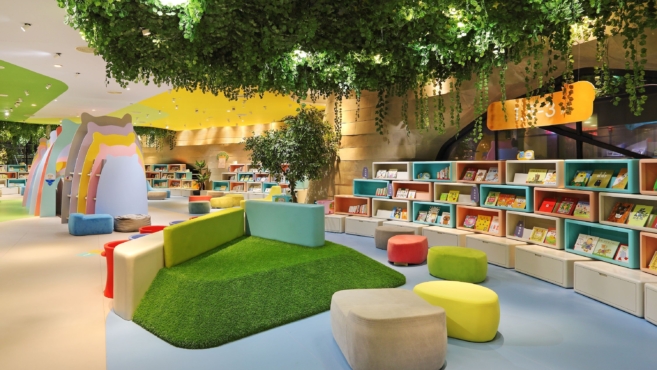
Kindergarten Design: Space, Daylight and Safety
18 July 2022Kindergarten design begins with children and carers rather than bright colours alone. Age groups, capacity, time spent at the centre and the activity programme shape the brief. The aim is a clear, comfortable environment for play, learning and social contact, developed alongside the licensing and safety requirements that apply to the location. Build a spatial…
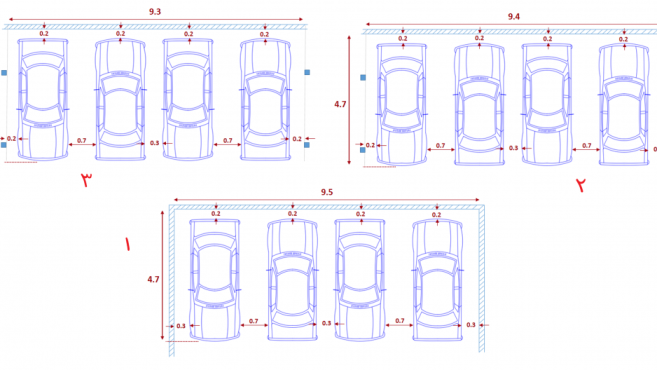
Parking Layout Design: Manoeuvring, Ramps and Access
11 July 2022Parking layout design combines vehicle spaces, circulation and pedestrian access. Fitting the largest number of cars into a floor plate is only one concern: drivers must enter, manoeuvre, open doors and leave without obstruction. Requirements vary with location, use and capacity, so the applicable building and permitting rules should be established before dimensions are adopted….
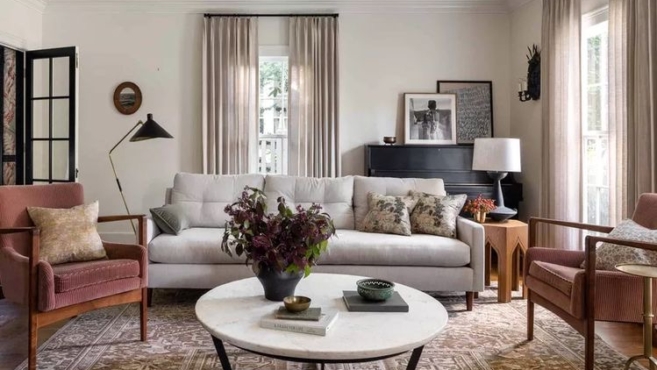
English Interior Design: Colour, Materials and Comfort
4 July 2022English interiors cannot be reduced to one fixed style. Different periods and movements have shaped the tradition, often sharing an interest in material quality, comfort, detail and spaces that feel lived in. This article focuses on interior elements and their composition. The history of buildings is explored separately in English architecture. Comparisons with postmodern architecture…
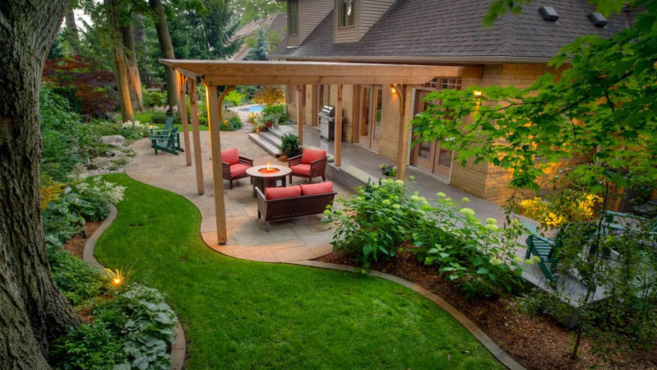
Green Space Design and Implementation: Site to Maintenance
27 June 2022Green space contributes to the experience of a building and site rather than acting as planting added after construction. A residential courtyard, villa garden, public landscape and planted roof have different requirements. Begin with use and environmental conditions. Landscape design connects planting with paths, seating, levels, water and shade. This article introduces shared steps while…

Pharmacy Design: Layout, Shelving and the Visitor Experience
20 June 2022Pharmacy design involves more than attractive shelving and a calm palette. It must connect professional workflows, visitor access and organised product storage. The exterior and interior contribute to one experience, but appearance cannot compensate for obstructed access or conflicting routes. Begin with the type of pharmacy, services, workload and equipment. A small local operation and…
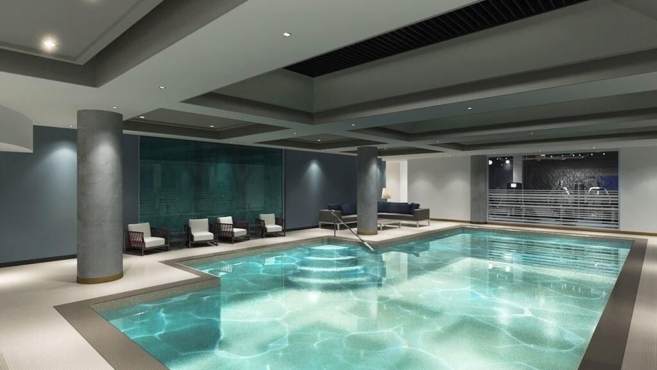
Swimming Pool Design: Site, Systems and Everyday Use
16 June 2022Swimming pool design brings together the shape of the water, construction, equipment and maintenance. A pool can improve the experience of a home, but it needs a running budget and a care plan as well as construction funding. Establish whether the pool is private or public, who will use it and for which activities. Requirements…
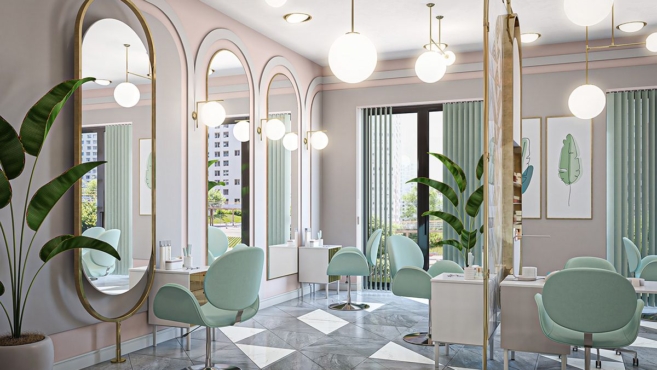
Women’s Beauty Salon Design: Layout and Lighting
6 June 2022A women’s beauty salon needs to support the client experience and efficient professional work. Visual appeal cannot compensate for conflicting circulation or equipment that is difficult to use and clean. Begin with the service list, stations operating at once, equipment dimensions and requirements for water, power and privacy. This programme establishes the space each activity…
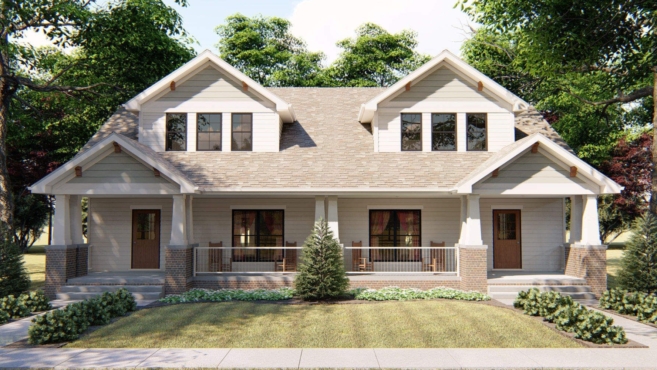
Duplex Home Design: Layout, Stairs and Two-Level Living
30 May 2022Here, duplex means one home arranged across two levels linked by an internal stair. It may be a detached house or an apartment within a larger building; this article does not use the term to mean two separate dwellings. Two levels allow different arrangements, but success depends on the household’s needs, the stair position and…
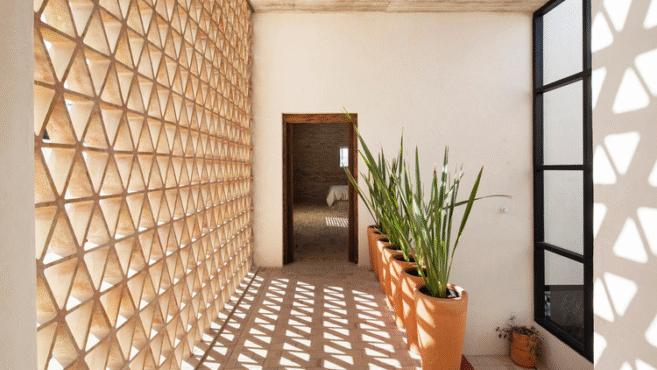
The Role of Light in Architecture: Openings, Shade and Space
23 May 2022Light changes how we read volume, colour and texture and how a room is used throughout the day. A room can remain dark despite a large window, or become so bright that glare interferes with everyday tasks. Good lighting is not simply more light. Begin with orientation, the sun’s path, surrounding obstructions and room depth….