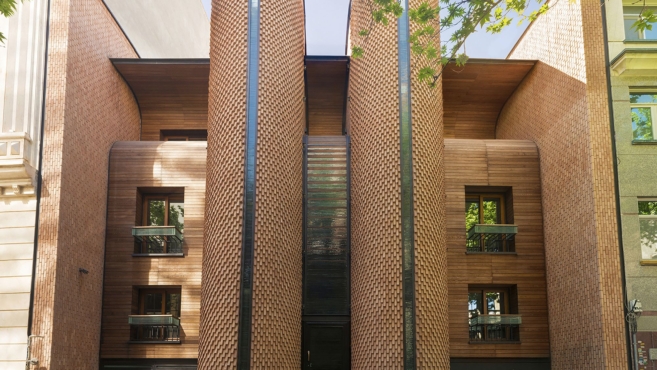
Brick Facades: Material, Composition and Construction Details
16 May 2022Brick has a long presence in Iranian architecture. It can support a contemporary elevation or recall local building traditions, but the material alone does not determine a style. Proportions, openings, bond patterns and the relationship to the street shape the result. In facade design, appearance and performance need to work together. An elevation is part…
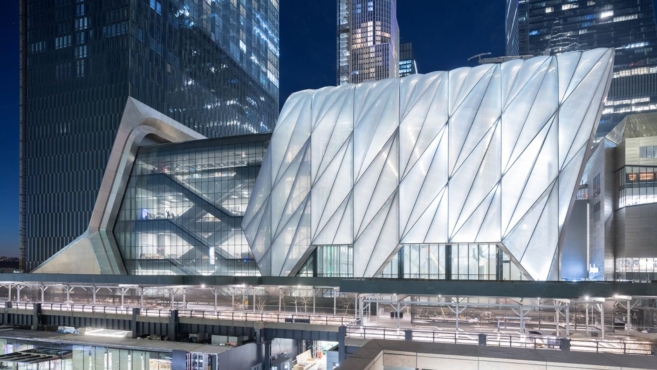
Lesser-Known Architectural Approaches: Four Perspectives
9 May 2022Architecture extends beyond familiar labels such as modern and classical. Studying less frequently discussed approaches reveals different ways to organise space, express construction and connect buildings with culture. The labels are not equivalent: some describe historical movements, others cultural traditions or theoretical perspectives. This article introduces high-tech architecture, Mannerism, Japanese traditions and ideas associated with…
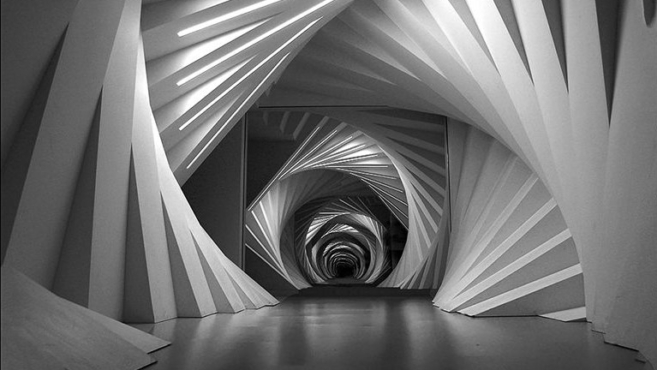
Architectural Photography: Recording Buildings and Space
2 May 2022Architectural photography connects an understanding of buildings with the craft of making images. Its purpose extends beyond producing an attractive view: a useful photograph explains form, materials, context and the way a place is experienced. The photographer needs to understand the architect’s intentions as well as exposure and composition. Agree on the purpose before a…

Practical Facade Design: From Concept to Construction
25 April 2022Practical facade design connects an architectural idea to a building that can be constructed and maintained. A three-dimensional image communicates appearance, but it does not define every junction, fixing or coordination requirement. The design needs drawings and details that explain how the proposed surfaces meet the building behind them. Begin with the building and its…
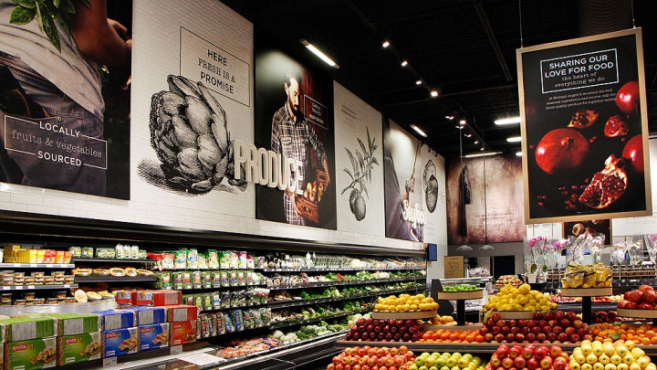
Hypermarket Interior Design and Layout
18 April 2022Hypermarket interior design brings together the shopping experience and the practical movement of goods and staff. A large sales floor is not simply a collection of shelves: entrances, departments, checkout, storage and servicing need a coordinated plan. The design should reflect the actual range of products and operation, rather than assumptions that every hypermarket is…
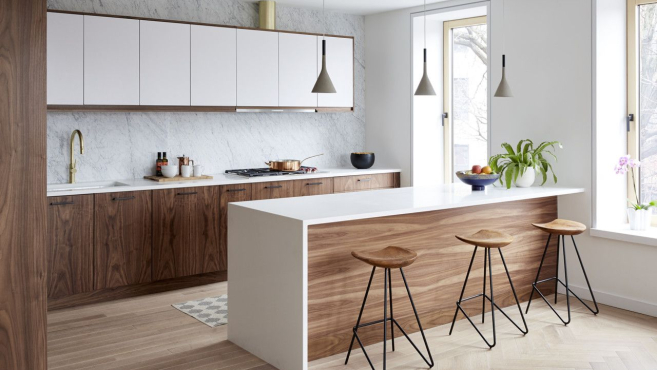
Kitchen Design: Layout, Cabinets and Materials
11 April 2022Kitchen design works best when layout, storage and materials are considered together. A fashionable finish cannot make up for an awkward route between tasks or insufficient places to put everyday items. Although the original article addressed new kitchen decoration, the useful criteria are lasting: a clear plan, appropriate materials and details that can be maintained….
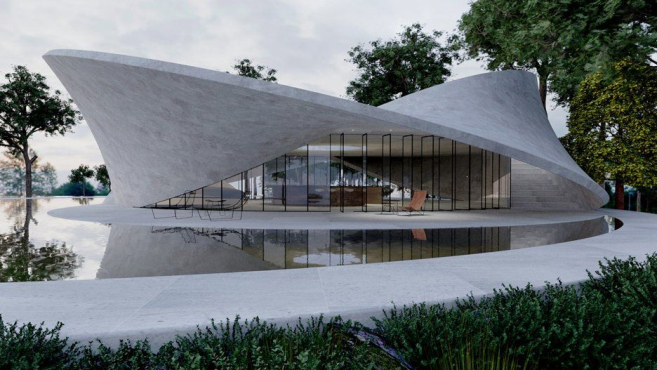
Arches and Curves in Architecture
4 April 2022Arches and curves can shape structure, movement and the character of a space. Their role ranges from carrying loads to framing an opening or softening a junction. Understanding what a curved element actually does is more useful than assuming that every arch is structural or every curve improves a room. Structure and architectural expression A…

Small Balcony Design and Decoration
28 March 2022A small balcony can provide a useful outdoor place when its layout starts with dimensions and everyday use. Decoration should support sitting, planting or a short pause outdoors without blocking the door, drainage or the route through the space. A few well-chosen elements often work better than filling every corner. Measure and define the main…

How to Think Architecturally in the New Year
21 March 2022A new year offers a useful moment to review how we observe, analyse and design. Originally written for the beginning of the Persian year 1401 in 2022, this article considers habits that can continue beyond that occasion. Architectural thinking grows through sustained attention, not a sudden change of tools or a collection of fashionable images….
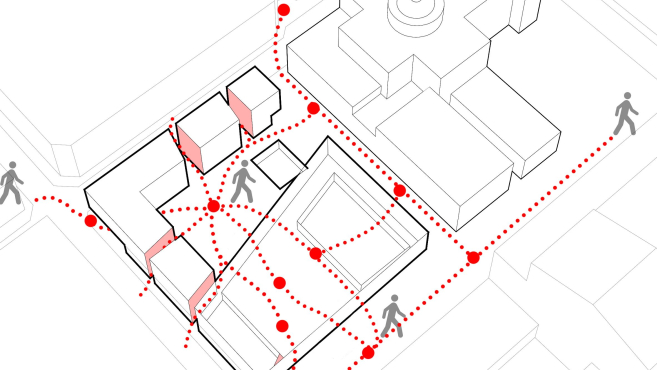
Circulation in Architecture: Routes and Layout
14 March 2022Circulation in architecture is the network of routes that connects entrances, rooms, activities and levels. It includes corridors, passages, stairs, lifts and the spaces where movement meets waiting or gathering. A successful plan makes these connections understandable without allowing movement to overwhelm the spaces people use. Why circulation matters A plan can contain all the…