
The Role of Colour in Building Facades
7 March 2022Colour contributes to the identity of a facade, but its effect cannot be separated from material, light and the surrounding buildings. A colour that appears balanced in a render may look stronger, flatter or darker on the finished surface. Choosing it well requires more than a small screen sample. Read colour together with the material…

Gothic Architecture: Elements and Characteristics
28 February 2022Gothic architecture is recognised by pointed arches, ribbed vaults, buttresses and an emphasis on height and light. Its character comes from the interaction of these elements, not simply from a pointed window or decorative pattern. Understanding that interaction makes its buildings more readable. The emergence of Gothic architecture Gothic design developed in medieval Europe from…

How Architectural Style Shapes a Building
21 February 2022Architectural style shapes more than the appearance of a building. It influences proportions, openings, materials, spatial organisation and the relationship between a building and everyday life. A useful design approach responds to its users, climate and setting rather than treating a style name as a complete brief. Style as a coherent design approach A clear…

What Is Sustainable Architecture? Life Cycle and Performance
14 February 2022Sustainable architecture aims to reduce a building’s environmental impact throughout its life while supporting health, comfort, economic viability and social responsibility. Plants or a particular facade appearance are not proof of sustainability. The approach requires coordinated decisions and measurable outcomes from design through occupation and renewal. Sustainability and green architecture Sustainability overlaps with green architecture…

Postmodern Architecture: Examples Around the World
7 February 2022Postmodern architecture uses historical reference, symbolism, colour and multiple readings to reconsider some conventions of modernism. An unusual shape alone does not establish the category: a building must be read through its history, purpose and setting. The following examples distinguish clear references from useful comparison cases. How to read the examples Our articles on postmodern…

Modern Villa Design: Benefits and Limitations
31 January 2022A modern villa may offer clear massing, connections to a garden and flexibility in parts of the layout. These are potential benefits achieved through a suitable design, rather than automatic results of choosing a style name or large areas of glass. Fit the style to the site and residents Start with users, climate, privacy and…
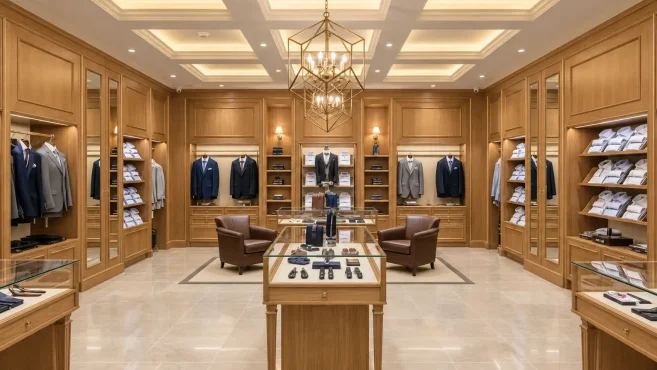
Boutique Interior Design: Display, Circulation and Lighting
24 January 2022Boutique design connects product presentation with brand identity and a comfortable shopping experience. A clear, practical space can support the business, but design alone does not guarantee higher sales. Products, pricing, service and marketing remain important. The shopfront and first display A window and entrance establish the first impression. Select a clear group of products…

Villa Design Stages: From Site to Handover
17 January 2022Villa design moves from the site and the residents’ needs to coordinated drawings, construction review and handover. Choosing a facade image is not the starting point for the whole project. Decisions about land, budget, circulation and daylight influence every later stage. Understand the land and the brief In villa design, review boundaries, levels, access, orientation,…

Roman-Inspired and Classical Facades: What Is the Difference?
10 January 2022Comparing Roman-inspired and classical facades begins with terminology. In contemporary Iranian building discussions, “Roman facade” often describes a facade borrowing columns, cornices and arches from classical vocabulary. It is not a precise historical category entirely separate from classical architecture. Shared references, different uses of words Classical architecture covers traditions broader than the current commercial use…

Form in Architecture: Mass, Space and Use
3 January 2022Form in architecture is the three-dimensional organisation of masses, voids and the relationships between them. It is inseparable from use, construction and human experience. A simple mass can contain rich spaces; a complicated shape may still perform poorly if circulation, light and function are overlooked. Form, concept and facade An architectural concept explains the direction…