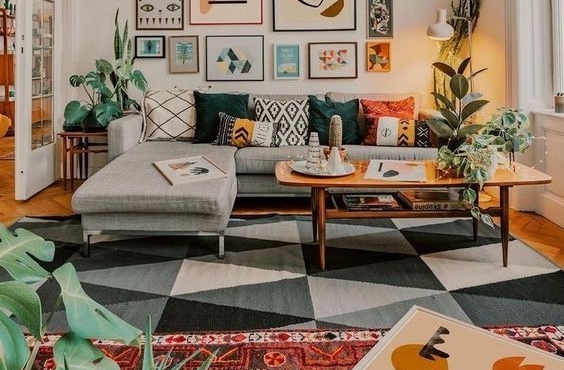
Bohemian Interior Style: Colour, Texture and Composition
27 December 2021Bohemian, or boho, interiors combine colour, texture and personal objects to create an individual space. Visual freedom does not mean abandoning organisation. A room should remain comfortable to move through and use before becoming a collection of accessories. The term and its background In artistic usage, “bohemian” became associated with unconventional lives among artists and…
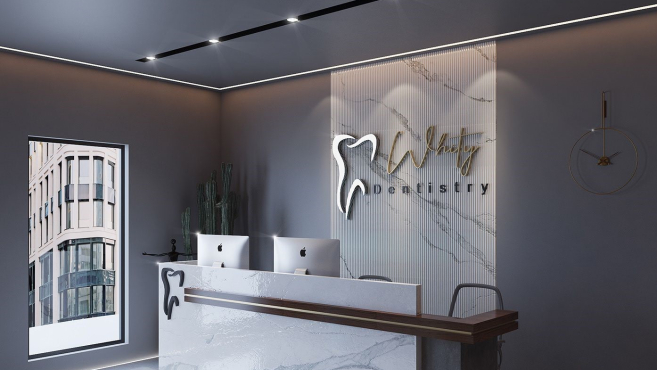
Dental Clinic Interior Design: Layout and Equipment
20 December 2021Dental clinic interior design starts with clinical workflow, equipment and the movement of patients and staff. Colours and furniture form part of that system; they cannot compensate for an unsuitable treatment layout or missing equipment coordination. Start with the spatial programme In interior design, establish the number of treatment units, services, expected appointments and staff…
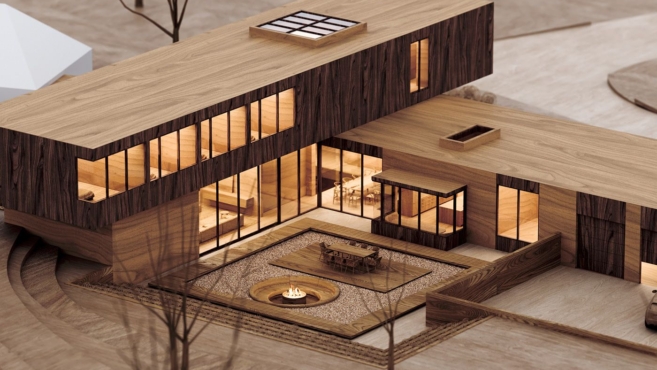
Facade Design Details: Coordination and Construction
13 December 2021Facade design details connect an architectural idea to the way it is built and used. A convincing elevation still depends on material junctions, water management, window installation and coordination with building services. These decisions belong to the design process rather than being small corrections left for the contractor. Details and local requirements In facade design,…
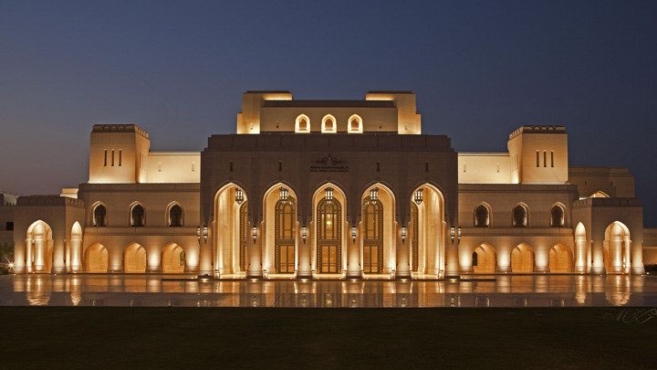
Building Facade Lighting: Systems and Responsible Design
6 December 2021Facade lighting connects a building’s night-time appearance with its entrance, materials, details and setting. Select technology after deciding what needs light and when. Greater brightness or more movement is not inherently better, and cannot guarantee visitors or financial payback. Define the objective Within facade design, identify the entrance, route or detail to reveal. Review neighbouring…
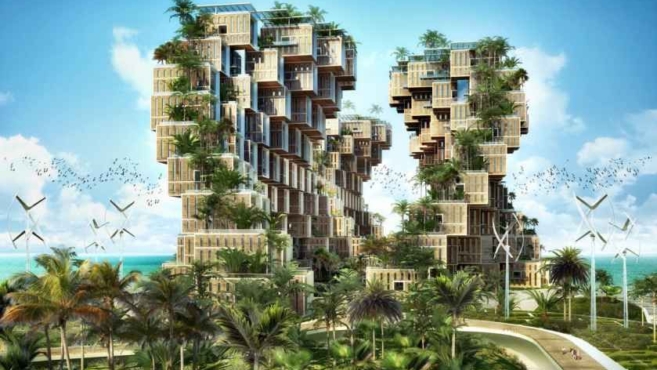
What Is Biophilic Design? Nature in Architecture
29 November 2021Biophilic design considers human relationships with nature within the built environment. It is more than adding plants or covering a facade with greenery, and is not automatically equivalent to sustainable design. Light, views, materials and spatial experience can work together according to the project. Concept and origins Biologist Edward O. Wilson helped popularise biophilia. Translating…
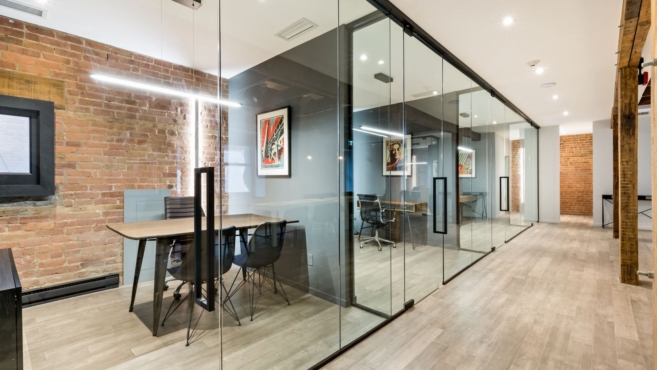
Office Interior Design: Layout, Furniture and Lighting
22 November 2021Office design starts with actual work: individual focus, collaboration, meetings, calls or reception. No one layout suits every team, and decor alone cannot guarantee mental health or a fixed productivity outcome. Coordinate the space with users, activities and future adjustment. Balance collaboration and focus Open arrangements support some activities and disrupt others. Coordinate shared work,…
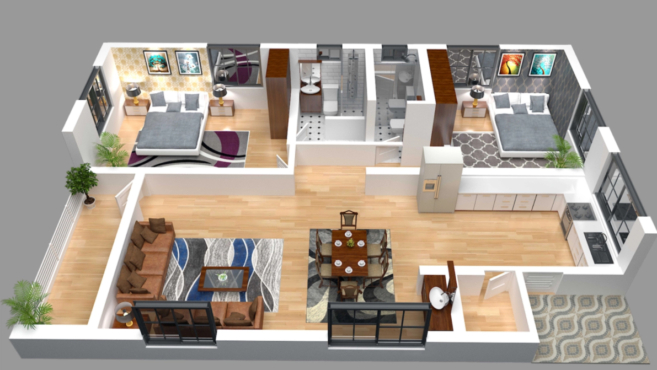
Floor Plan Design: Ten Principles to Review
16 November 2021Floor plan design connects user needs with the site, circulation, daylight and services. These ten points support review rather than prescribe fixed ratios or replace project requirements. Read the plan with sections and elevations, using actual dimensions. 1. Entry and transition Define entry according to use. A clear transition zone may be sufficient instead of…
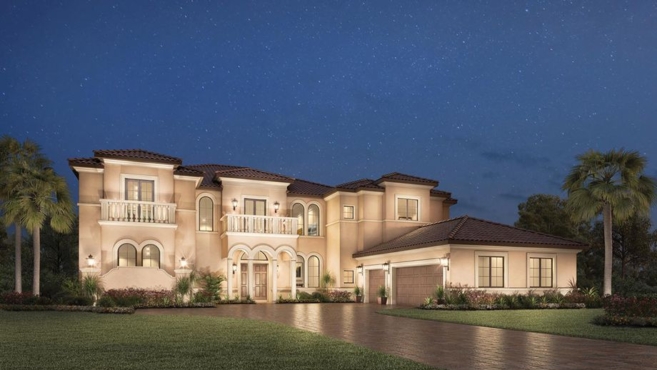
Motivation in Architecture: Learning and Communication
8 November 2021Architectural motivation does not come from project variety alone. Understanding the work, learning, communicating and seeing the consequences of decisions can support continued practice. Paths differ with circumstances. This article offers reflection and practical steps rather than a scientific ranking of architects or a promise of success. Task, outcome and purpose Consider three perspectives: completing…
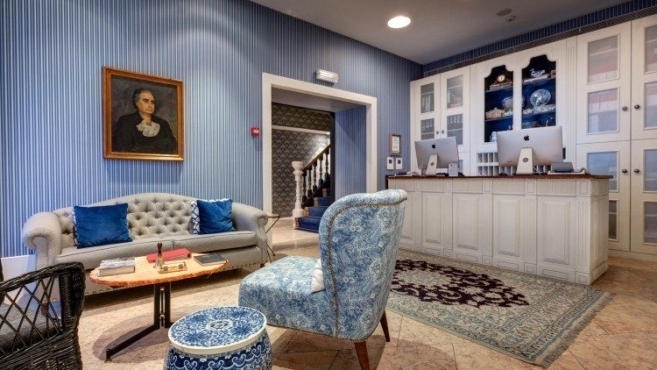
Boutique Hotel Design: Identity and Spatial Planning
1 November 2021A boutique hotel is associated with a distinct identity and a considered guest experience, rather than a mandatory historical building or one fixed room count. It can be contemporary or adapt an older property. The concept should work with comfort, service and maintenance instead of replacing them. Identity and guest rooms Rooms may differ, but…
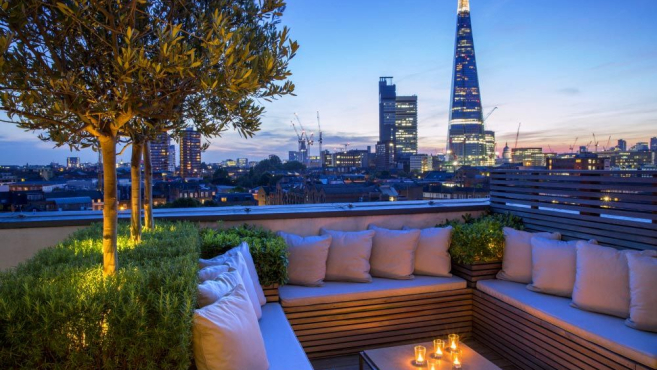
Classical Roof Garden Design: Layout and Elements
25 October 2021A classical roof garden can use axes, rhythm and hierarchy to coordinate planting, seating and architectural elements. Its visual language follows an assessment of the roof’s suitability for use. Decoration or artificial grass alone does not establish a living green roof. Coordinate with the building The garden may relate to the building’s language without exactly…