
Cafe Design: Ideas, Layout and Everyday Experience
18 October 2021Cafe design organises both the customer experience and staff work, from arrival and ordering to seating and departure. Attractive decor does not guarantee commercial success; location, service, menu and management also matter. Start by defining the audience, activities and expected length of visits. A coherent identity A cafe can be quiet, celebratory or centred on…
Italian Architecture: History, Materials and Contemporary Design
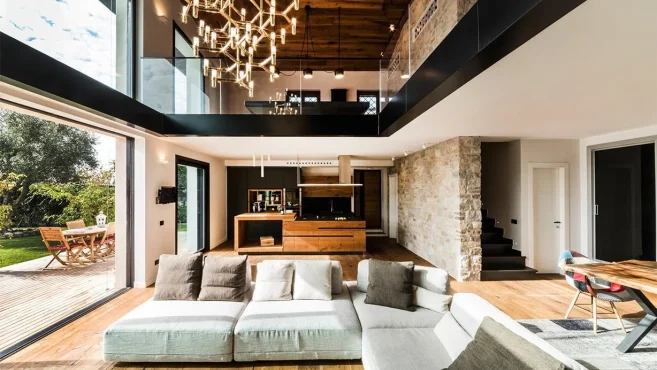
11 October 2021Italian architecture describes a diverse set of regional and historical traditions, from ancient Rome and the Renaissance to the Baroque and contemporary practice. It is not one universal decorative style. Proportion, geometry, materials and connections to outdoor space can inform a new project without reproducing a historical facade. Read the period before selecting details Florence…

Parametric Design in Architecture: Relationships and Applications
4 October 2021Parametric design defines relationships between inputs and model elements. When a value changes, dependent parts update according to those rules. A curved shape or repeated motif does not by itself establish a parametric process. The useful question is what changes, why it changes and how the alternatives will be assessed. Start with a design question…
Afra Mansion Interior Design: A Project Study
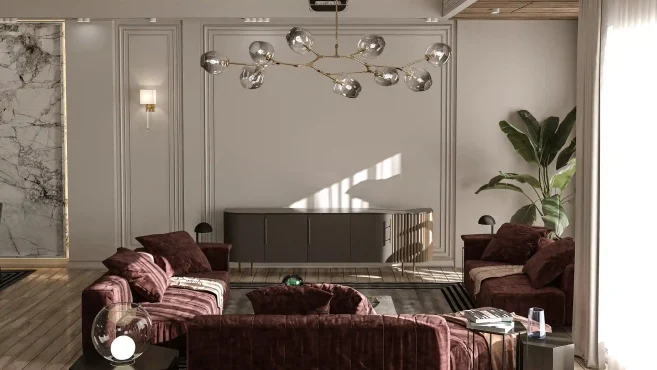
27 September 2021This article studies the interior of a residential unit in Afra Mansion in Elahiyeh, Tehran, developed by Farid + Arjmand. The project connects circulation and activity areas with a contemporary palette of stone, timber and neutral colours. Its decisions are best understood through the plan and individual spaces rather than as universal rules for every…
Classical Kitchen Design: Cabinetry and Layout
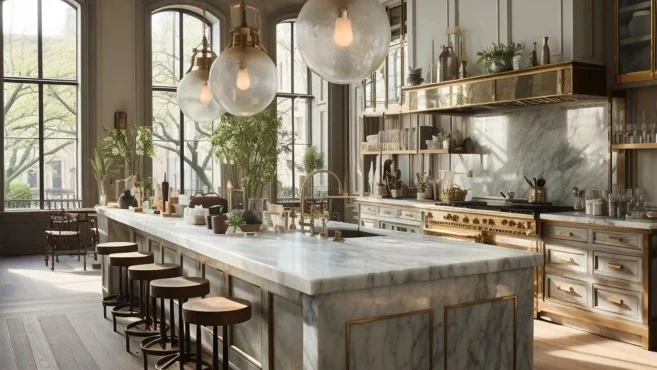
20 September 2021Classical kitchen design connects cabinetry and detailing with everyday operation. It can relate to the rest of a home, but matching interior and exterior style labels is not always necessary. Every user needs clear movement, preparation space, storage and ventilation. Ornament cannot compensate for shortcomings in those functions. Layout and the work triangle Hob, sink…

Facade Design Fees: Scope, Deliverables and Cost Factors
13 September 2021Facade design fees are different from the cost of buying and installing a facade. Fees reflect expertise, time and agreed deliverables, while construction includes materials, fixings, access and site work. Area or style alone cannot support a reliable comparison. This article explains cost factors rather than providing a fixed price or current tariff. What determines…

Children’s and Teen Bedrooms: Layout and Everyday Use
6 September 2021A child’s room combines sleep, play and storage, with study needs changing as the child grows. Design should reflect the individual, available space and family budget rather than claims that colours or decorations treat behaviour or health conditions. Involving children and teenagers helps create a room they understand and can adapt. Light and basic planning…

Apartment Facade Design: Rhythm and Privacy
30 August 2021An apartment facade connects individual homes and shared spaces with the urban scene. Its design needs to address plans, privacy, light and maintenance rather than a single attractive front view. Different styles can serve the same underlying goal: an envelope that fits residents’ lives and the site. Begin with homes and facade rhythm Relate windows,…

Neoclassical Interior Design: Proportion and Details
23 August 2021Neoclassical interiors reinterpret classical proportion and elements while accommodating contemporary living. Historically, Neoclassicism developed in the eighteenth century with inspiration from ancient Greece and Rome. Its emergence should not be explained as a mixture with twentieth-century architectural modernism. Today’s decoration market sometimes uses the term more loosely, so clarify what it means for the individual…

Architecture and Tourism: Identity and Visitor Experience
16 August 2021Architecture contributes to tourism as an attraction and an expression of place, while also providing accommodation, movement routes and everyday services. Historic and contemporary buildings can both form part of a visit. A striking new building does not guarantee more visitors or a financial return: access, management, services and local context also matter. Visitor motivations…