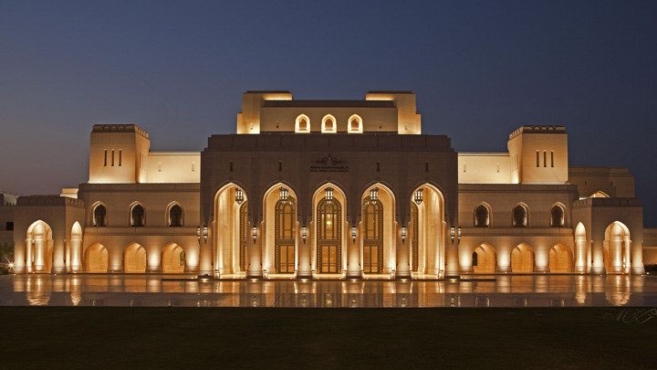
Building Facade Lighting: Systems and Responsible Design
6 December 2021Facade lighting connects a building’s night-time appearance with its entrance, materials, details and setting. Select technology after deciding what needs light and when. Greater brightness or more movement is not inherently better, and cannot guarantee visitors or financial payback. Define the objective Within facade design, identify the entrance, route or detail to reveal. Review neighbouring…
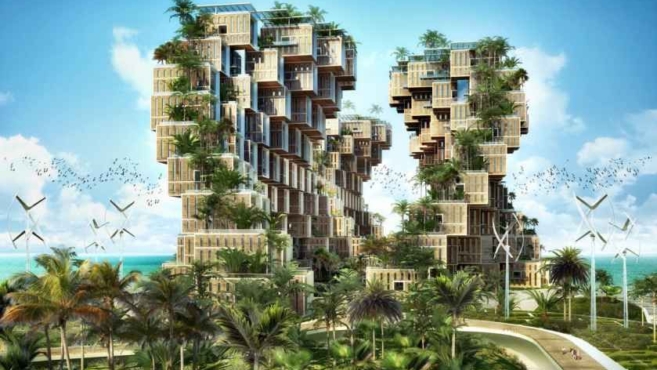
What Is Biophilic Design? Nature in Architecture
29 November 2021Biophilic design considers human relationships with nature within the built environment. It is more than adding plants or covering a facade with greenery, and is not automatically equivalent to sustainable design. Light, views, materials and spatial experience can work together according to the project. Concept and origins Biologist Edward O. Wilson helped popularise biophilia. Translating…
Motivation in Architecture: Learning and Communication
8 November 2021Architectural motivation does not come from project variety alone. Understanding the work, learning, communicating and seeing the consequences of decisions can support continued practice. Paths differ with circumstances. This article offers reflection and practical steps rather than a scientific ranking of architects or a promise of success. Task, outcome and purpose Consider three perspectives: completing…
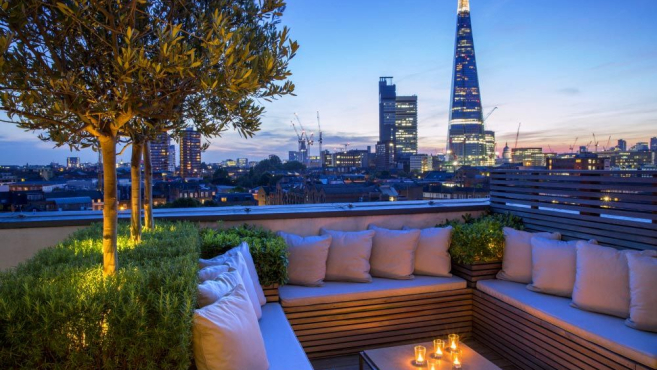
Classical Roof Garden Design: Layout and Elements
25 October 2021A classical roof garden can use axes, rhythm and hierarchy to coordinate planting, seating and architectural elements. Its visual language follows an assessment of the roof’s suitability for use. Decoration or artificial grass alone does not establish a living green roof. Coordinate with the building The garden may relate to the building’s language without exactly…
Parametric Design in Architecture: Relationships and Applications
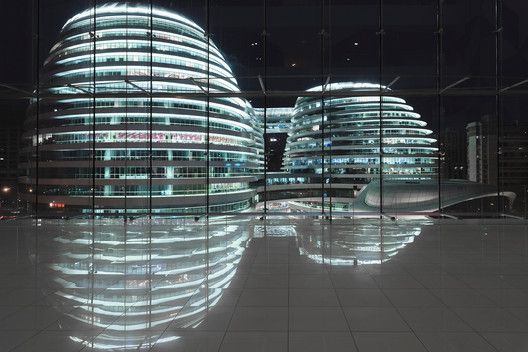
4 October 2021Parametric design defines relationships between inputs and model elements. When a value changes, dependent parts update according to those rules. A curved shape or repeated motif does not by itself establish a parametric process. The useful question is what changes, why it changes and how the alternatives will be assessed. Start with a design question…
Facade Design Fees: Scope, Deliverables and Cost Factors
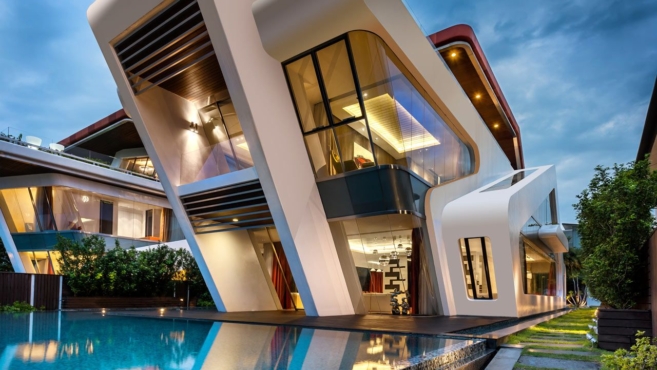
13 September 2021Facade design fees are different from the cost of buying and installing a facade. Fees reflect expertise, time and agreed deliverables, while construction includes materials, fixings, access and site work. Area or style alone cannot support a reliable comparison. This article explains cost factors rather than providing a fixed price or current tariff. What determines…
Apartment Facade Design: Rhythm and Privacy
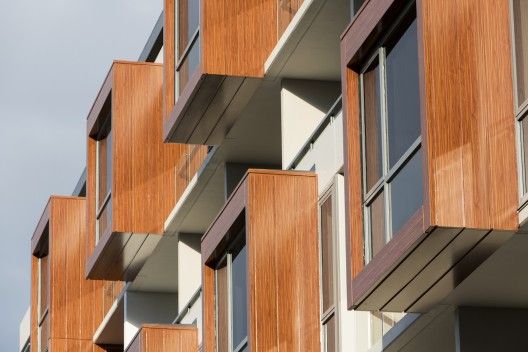
30 August 2021An apartment facade connects individual homes and shared spaces with the urban scene. Its design needs to address plans, privacy, light and maintenance rather than a single attractive front view. Different styles can serve the same underlying goal: an envelope that fits residents’ lives and the site. Begin with homes and facade rhythm Relate windows,…
Architecture and Tourism: Identity and Visitor Experience
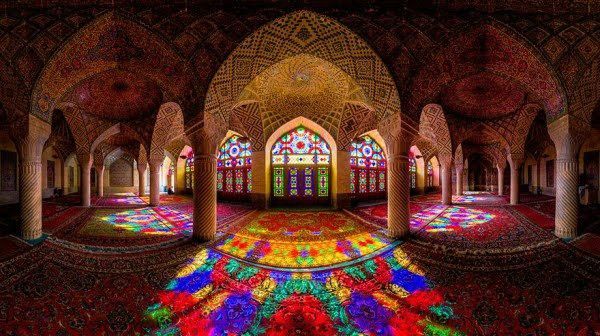
16 August 2021Architecture contributes to tourism as an attraction and an expression of place, while also providing accommodation, movement routes and everyday services. Historic and contemporary buildings can both form part of a visit. A striking new building does not guarantee more visitors or a financial return: access, management, services and local context also matter. Visitor motivations…
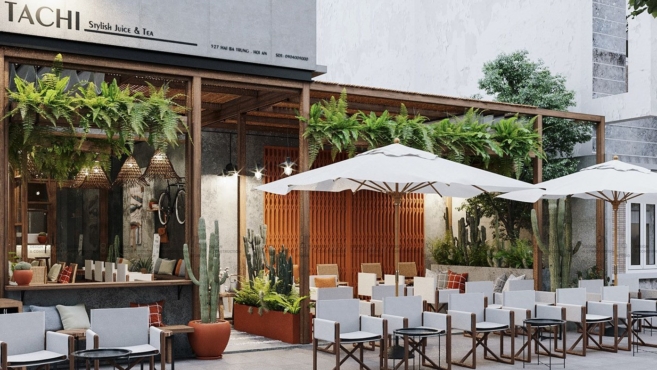
Cafe Facade Design: Identity, Entrance and Materials
9 August 2021A cafe facade is a visitor’s first point of contact. It works with service, location and the interior to establish the experience. A distinctive design can make the identity clearer, but does not guarantee more customers. Begin by understanding the building, approach route and information a visitor needs before entering. Read the site before choosing…
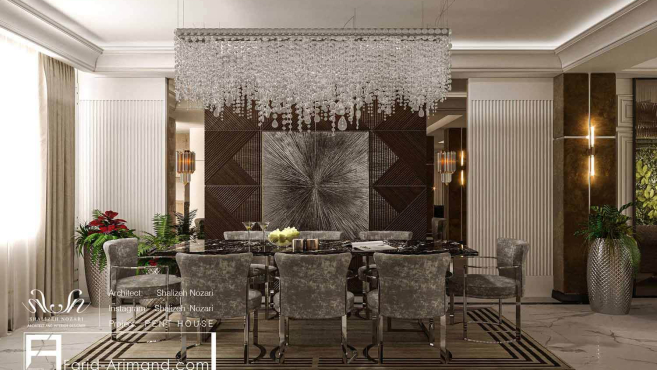
Smart Building Architecture: Coordination and Operation
2 August 2021Smart building design coordinates architecture with systems that respond to user needs. It begins with use scenarios rather than buying the largest collection of devices. Controls may improve comfort and energy management, but savings depend on commissioning, maintenance and actual operation; the smart label alone proves neither efficiency nor economic payback. What makes a building…