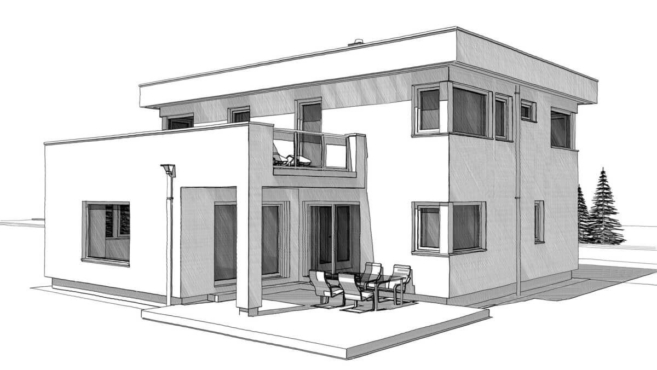
Learn Facade Design: From Concept to Drawings and Details
10 May 2021Learning facade design requires an understanding of space, materials and details alongside drawing and modelling skills. A facade is more than a layer that hides construction: it relates to daylight, climate, durability and the connection between inside and outside. Visual elevation references can support comparison, but cannot replace project analysis. Begin with the concept and…
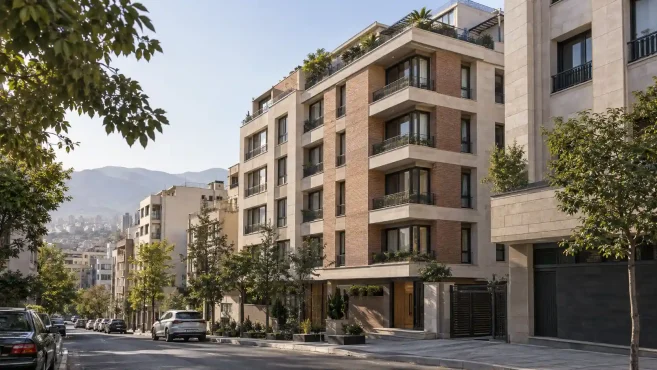
General Facade Design Requirements: Elements, Documents and Review
3 May 2021Facade design requirements concern a building’s relationship with its street and neighbours as well as the safety and durability of its materials and details. They are not simply a decorative checklist. The original article was published in 2021; its old categories and procedures should not be treated as current instructions for every city. Identify the…
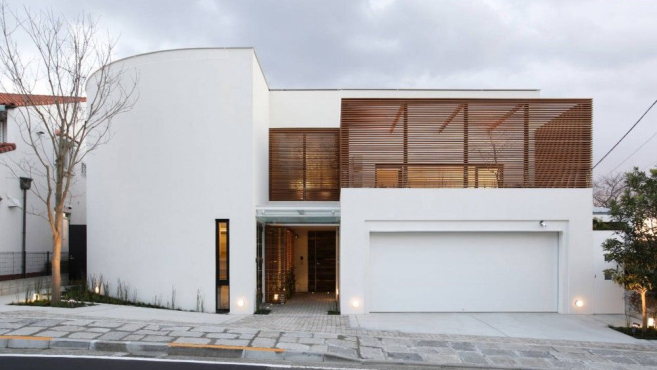
Traditional, Modern and Postmodern Architecture in Iran
26 April 2021Comparing traditional, modern and postmodern architecture in Iran requires attention to space, climate and identity, rather than a ranking of styles. This article considers how the approaches can be read in interiors and facades. It is not a comprehensive history or a definitive classification of individual buildings. Traditional architecture is diverse Traditional houses and buildings…
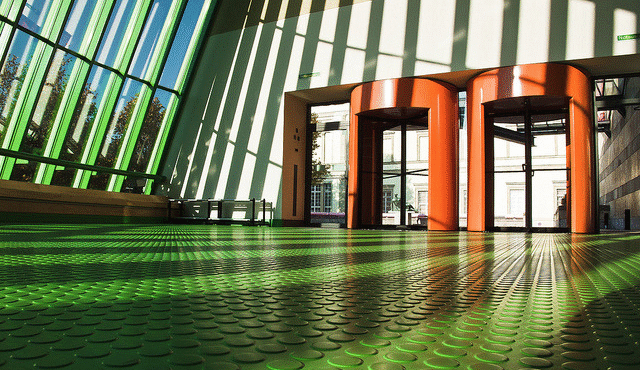
Postmodern Facade Design: Identity, References and Composition
5 April 2021Postmodern facade design explores a building’s relationship with history, context and meaning. It is not simply the addition of bold colours or old decorative elements. Different references may be combined in a new composition, but the result still needs a clear idea and a relationship with the building and its street. What does postmodern mean…
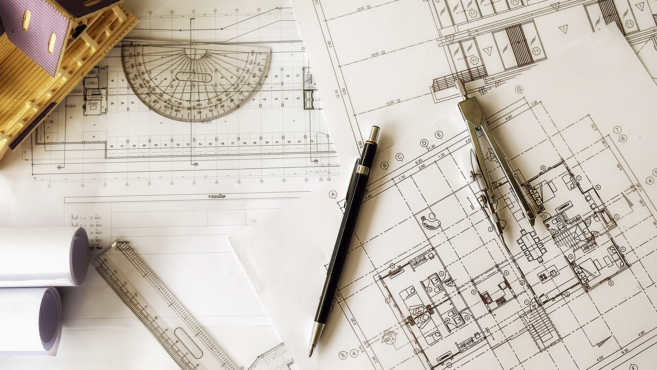
Skills for a Successful Architect: Expertise, Practice and Communication
22 March 2021A successful architectural career develops through learning, practice and responsibility. A particular software package or visual style cannot guarantee that outcome. Choosing a direction helps organise your effort, while collaboration, communication and an understanding of the project’s needs shape the quality of the work. Choose a focus without losing the wider picture Architecture includes building…
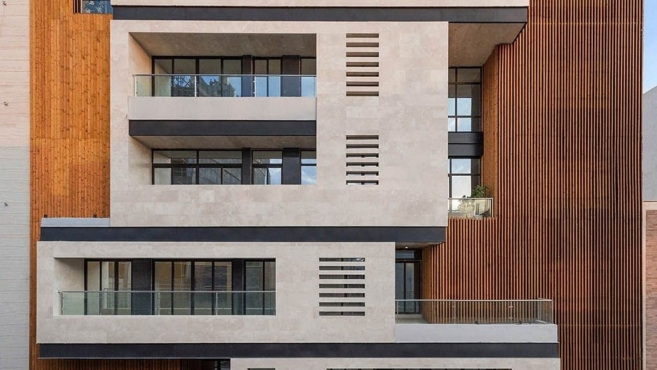
A Guide to Building Facades: Uses, Styles and Design Tools
8 March 2021A facade combines visual identity, environmental performance and the building’s relationship to the street. Facade design coordinates composition with plans, structure and services, rather than adding decoration after the building is resolved. The article on building facade principles, styles and materials provides a complementary introduction. Villa facades The plot, neighbours, garden and way of life…
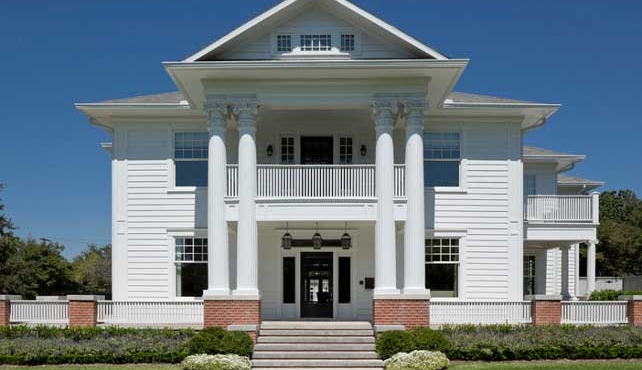
Roman-Style Facade Design Principles
2 March 2021Roman-style facade is a contemporary label sometimes used for elevations drawing on classical references. It does not describe all classical architecture or equate to historic buildings in Rome. This article focuses on composition, proportion and detailing rather than a complete history or pricing guide. Read the elements as a composition Columns, arches, frames and cornices…
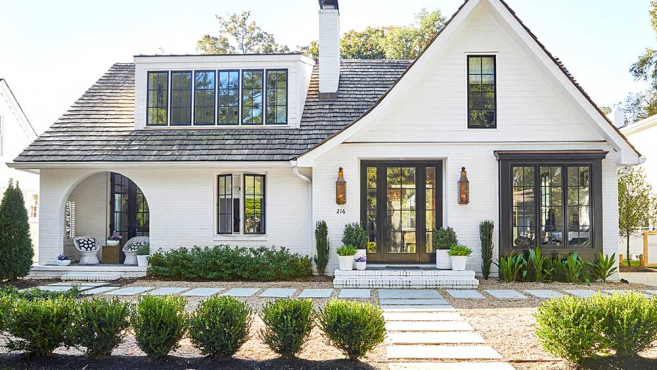
Choosing a Villa Design Style: What Matters?
15 February 2021Choosing a villa style should not begin with a favourite image alone. Site, climate, daily life, budget and construction inform the appropriate architectural language. In villa design, style follows an understanding of the brief and location. Building type and style differ Single-storey, duplex and triplex describe the organisation of levels; modern, classical and neoclassical describe…
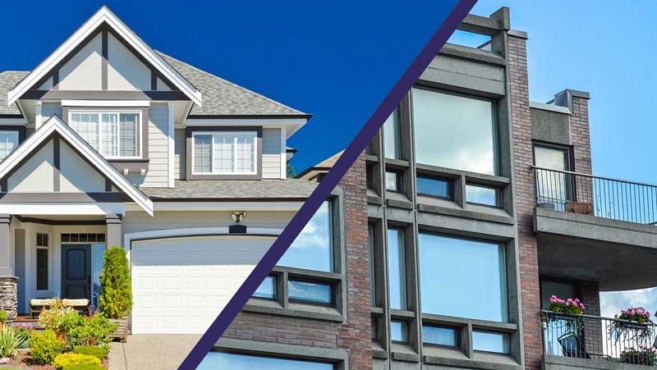
Villa Facade Design Compared with Apartment Buildings
8 February 2021A facade contributes to a building’s identity and relationship with its surroundings. Coordinate it with the plan, structure and services from the outset, even when cladding is installed later. Villas and apartment buildings have different priorities according to the site, occupants and number of units, rather than one being inherently better architecture. Use and privacy…
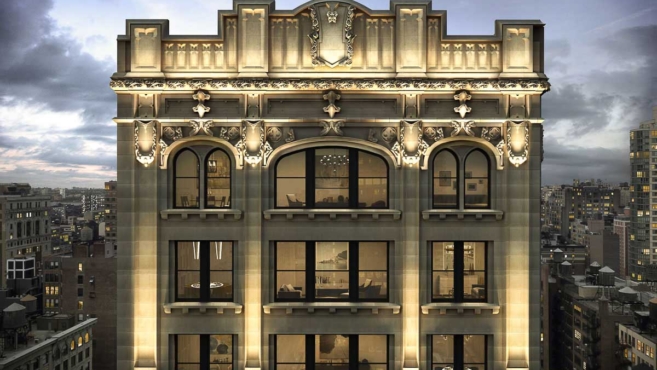
Classical Facade Materials: Stone, Brick and Finishes
25 January 2021Proportion, rhythm and symmetry establish a classical facade before its materials are selected. A stone elevation is not automatically classical, and higher spending does not guarantee architectural quality. Reviewing building facade principles helps connect the material palette with massing and openings. Natural stone Stone can form wall surfaces, frames and projecting details, with variation in…