
Roman-Inspired Villa Facades: Proportion and Materials
26 July 2021Designing a villa with a Roman-inspired facade starts with proportion and organisation, rather than the amount of ornament. In contemporary usage, the term describes a classical visual language; it is not an exact reconstruction of ancient Roman architecture. Suitability depends on the plan, climate, site and occupants rather than an assumption that every luxury villa…

How Building Facades Shape Perception and Experience
19 July 2021A building facade contributes to how a place is perceived, alongside light, sound, greenery, movement and social conditions. Responses vary between people and cultures. A particular architectural style does not establish a cure for anxiety or a reduction in depression or crime. This article examines visual perception and everyday experience without turning design preferences into…

The Architectural Design Process: Thinking and Communicating with Diagrams
5 July 2021The architectural design process connects research, ideas and drawings, but explaining it does not always require complex plans. Diagrams make a specific decision understandable to both designer and client. This article focuses on using them as thinking and communication tools during project development. From site research to details Begin with the brief, site, climate and…

Sustainable Facade Design: Performance, Climate and Maintenance
28 June 2021A facade influences a building’s environmental performance by controlling heat, light and air. Calling it sustainable requires more than a green appearance. Its design should connect climate, comfort, materials, maintenance and life-cycle cost with the performance of the whole building. Environment, cost and occupants Sustainability brings together environmental impact, affordability and people’s needs. Decisions include…

Facade Renovation: Assessment, Repairs and System Selection
21 June 2021Facade renovation may follow material deterioration, water ingress, a change of use or a wish to improve appearance. Begin by understanding the existing condition and what can be retained, rather than immediately choosing new cladding. The appropriate scope depends on the cause and extent of damage and the facade system. Extensive renovation or local repair?…

New Facade Materials and Systems: Uses and Selection Limits
14 June 2021New facade materials and systems expand the designer’s options without making stone, brick, timber or glass obsolete. Start with the architectural need and required performance, then assess the product and its installation. This article introduces selected systems rather than claiming that newer materials are better for every building. Material choice and architectural language Metal screens…
Architectural Concepts: Turning an Idea into Design Decisions
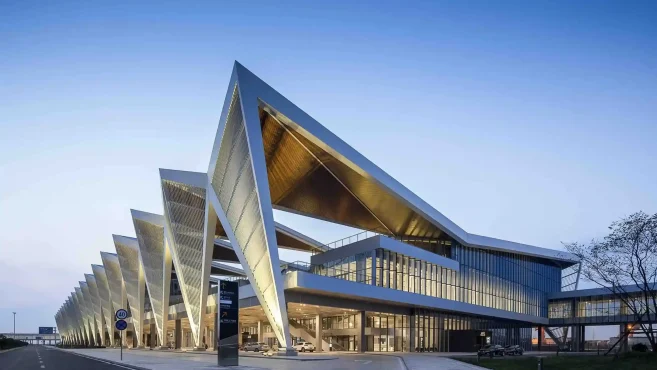
7 June 2021An architectural concept is a guiding idea that connects the decisions within a project. It is more than a building shape or an evocative phrase: it helps organise spaces, relate the building to its site and select solutions suited to its use. The idea develops through research, testing and discussion between architect and client. How…

Architectural Design Stages: From Site Studies to Construction Drawings
31 May 2021Architectural design develops through connected stages, from understanding the brief to preparing drawings that can be built. Designers may think differently, but the sequence of decisions matters: detailed solutions should follow a clear understanding of the site, building use and client needs. This guide explains that progression rather than treating design as a single finished…

Modern or Classical Facade? Choosing the Right Approach
24 May 2021Is a modern or classical facade the better choice? The answer depends on the site, building use, construction budget and client priorities. A style name alone cannot establish quality or guarantee a higher sale price. Farid + Arjmand approaches the comparison through the requirements of the individual building. Architectural identity and commercial value A facade…

Choosing a Facade Design Firm: Expertise, Deliverables and Coordination
17 May 2021Choosing a facade design firm is easier when you understand what should be delivered and how decisions will be made. Attractive images help communication, but cannot establish technical knowledge or project coordination on their own. This guide focuses on selection criteria and scope, rather than company rankings or a price list. Define the building’s needs…