
Bohemian Interior Style: Colour, Texture and Composition
27 December 2021Bohemian, or boho, interiors combine colour, texture and personal objects to create an individual space. Visual freedom does not mean abandoning organisation. A room should remain comfortable to move through and use before becoming a collection of accessories. The term and its background In artistic usage, “bohemian” became associated with unconventional lives among artists and…

Dental Clinic Interior Design: Layout and Equipment
20 December 2021Dental clinic interior design starts with clinical workflow, equipment and the movement of patients and staff. Colours and furniture form part of that system; they cannot compensate for an unsuitable treatment layout or missing equipment coordination. Start with the spatial programme In interior design, establish the number of treatment units, services, expected appointments and staff…

Office Interior Design: Layout, Furniture and Lighting
22 November 2021Office design starts with actual work: individual focus, collaboration, meetings, calls or reception. No one layout suits every team, and decor alone cannot guarantee mental health or a fixed productivity outcome. Coordinate the space with users, activities and future adjustment. Balance collaboration and focus Open arrangements support some activities and disrupt others. Coordinate shared work,…

Floor Plan Design: Ten Principles to Review
16 November 2021Floor plan design connects user needs with the site, circulation, daylight and services. These ten points support review rather than prescribe fixed ratios or replace project requirements. Read the plan with sections and elevations, using actual dimensions. 1. Entry and transition Define entry according to use. A clear transition zone may be sufficient instead of…

Boutique Hotel Design: Identity and Spatial Planning
1 November 2021A boutique hotel is associated with a distinct identity and a considered guest experience, rather than a mandatory historical building or one fixed room count. It can be contemporary or adapt an older property. The concept should work with comfort, service and maintenance instead of replacing them. Identity and guest rooms Rooms may differ, but…

Cafe Design: Ideas, Layout and Everyday Experience
18 October 2021Cafe design organises both the customer experience and staff work, from arrival and ordering to seating and departure. Attractive decor does not guarantee commercial success; location, service, menu and management also matter. Start by defining the audience, activities and expected length of visits. A coherent identity A cafe can be quiet, celebratory or centred on…
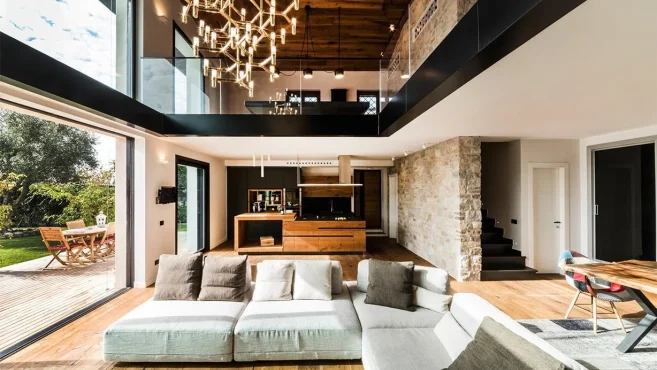
Italian Architecture: History, Materials and Contemporary Design
11 October 2021Italian architecture describes a diverse set of regional and historical traditions, from ancient Rome and the Renaissance to the Baroque and contemporary practice. It is not one universal decorative style. Proportion, geometry, materials and connections to outdoor space can inform a new project without reproducing a historical facade. Read the period before selecting details Florence…
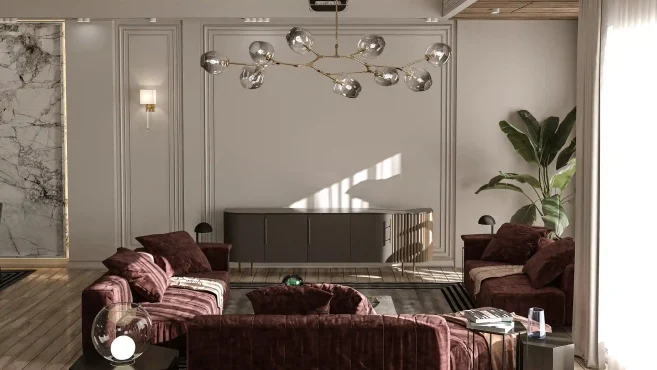
Afra Mansion Interior Design: A Project Study
27 September 2021This article studies the interior of a residential unit in Afra Mansion in Elahiyeh, Tehran, developed by Farid + Arjmand. The project connects circulation and activity areas with a contemporary palette of stone, timber and neutral colours. Its decisions are best understood through the plan and individual spaces rather than as universal rules for every…
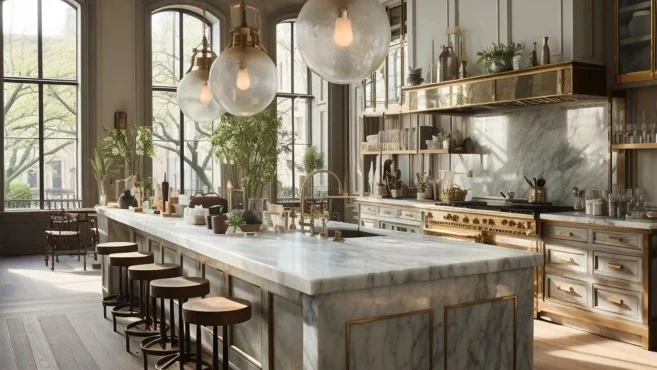
Classical Kitchen Design: Cabinetry and Layout
20 September 2021Classical kitchen design connects cabinetry and detailing with everyday operation. It can relate to the rest of a home, but matching interior and exterior style labels is not always necessary. Every user needs clear movement, preparation space, storage and ventilation. Ornament cannot compensate for shortcomings in those functions. Layout and the work triangle Hob, sink…

Children’s and Teen Bedrooms: Layout and Everyday Use
6 September 2021A child’s room combines sleep, play and storage, with study needs changing as the child grows. Design should reflect the individual, available space and family budget rather than claims that colours or decorations treat behaviour or health conditions. Involving children and teenagers helps create a room they understand and can adapt. Light and basic planning…