
Neoclassical Interior Design: Proportion and Details
23 August 2021Neoclassical interiors reinterpret classical proportion and elements while accommodating contemporary living. Historically, Neoclassicism developed in the eighteenth century with inspiration from ancient Greece and Rome. Its emergence should not be explained as a mixture with twentieth-century architectural modernism. Today’s decoration market sometimes uses the term more loosely, so clarify what it means for the individual…

The Role of Colour in Interior Design: Choosing a Palette for Your Space
12 July 2021Colour helps establish a room’s identity and focal points, but it works alongside light, materials and furniture. Emotional associations differ between cultures and individuals. They should not become fixed prescriptions for feelings or unsupported health claims. This guide explains how to choose a palette around use and user preferences. Colour and emotional associations A cross-cultural…

Postmodern Restaurant Design: Colour, Identity and Function
19 April 2021A postmodern approach to restaurant design can create an expressive setting through references, colour and irony. It does not mean that every unusual form belongs, or that function becomes secondary. Begin with the audience, menu and context, then select references that support a clear spatial idea. Create a coherent narrative A historical arch or familiar…
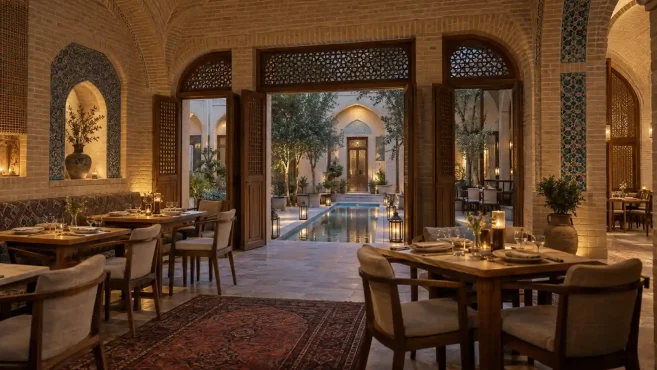
Traditional Restaurant Design Inspired by Iranian Architecture
12 April 2021An Iranian-inspired traditional restaurant starts with the experience it intends to create, rather than a collection of decorative objects. Its identity should relate to the menu, audience and service model. This guide focuses on Iranian architectural references while recognising regional differences instead of treating every tradition as one style. Choose a clear architectural reference Iranian…
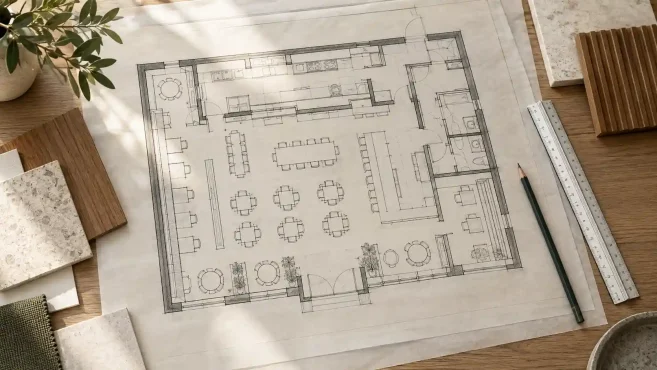
Why Restaurant Floor Plans Matter: Layout, Seating and Circulation
29 March 2021A restaurant floor plan connects the idea for a venue with its everyday use. It defines dining, kitchen and service areas before decorative choices are finalised. Visual restaurant plan references can help compare arrangements, but a useful plan develops from the project’s own site and operating needs. Start with functions and relationships Record the space’s…

Rooftop Restaurant Design: Planning a Roof Garden Venue
15 March 2021A rooftop restaurant brings dining, planting and an elevated view into one architectural setting. The roof garden and the restaurant should be planned together: arranging tables on an existing roof does not establish that the building, access or services can support the proposed use. These examples of rooftop restaurants and cafes illustrate the appeal of…

Nature in Interior Design: Light, Colour and Materials
23 February 2021A home can draw from nature through light, views, colour and materials, rather than plants alone. In interior design, these choices should respond to use, privacy and maintenance without assuming the same psychological response from everyone. Colours inspired by the seasons Flowers, sky, soil and foliage offer a broad palette. A calm base can support…

Restaurant Design: Shared Tables, Outdoor Spaces and Service
1 February 2021A restaurant setting shapes the guest experience, but decor alone does not guarantee more customers or profit. Start with the menu, service model, audience and budget. Explore restaurant and bar interiors while testing their relevance to actual operations. Shared tables Large communal tables can support interaction and suit some groups, while other guests value privacy….

Coffee Shop Design Ideas: Walls, Ceilings and Furniture
10 November 2020Coffee shop design ideas help build a memorable identity alongside a good menu and service. A café can support meetings, work and breaks, so visual concepts should remain connected to use. This article focuses on walls, ceilings, floors and furniture; coffee shop planning principles form a separate foundation that should come first. Parametric compositions and…

Office Interior Design: Layout, Circulation and Furniture
26 September 2020Office interior design begins with everyday work rather than copying a famous workplace photograph. A useful office combines planning, circulation, comfort and organisational identity. Design can support collaboration, concentration and the visitor experience, while performance also depends on management, equipment and how the space is used. Examples of successful design offer ideas for interiors without…